Why three stars in Garni hit the sweet spot for savvy travelers
Three-star lodgings in Garni offer a practical balance between comfort and authentic local character that suits a wide range of English-speaking visitors—solo explorers, couples, small families and friends who prize sensible spending without sacrificing a pleasant, restful base. Price points for three-star options in Garni typically sit well below upscale alternatives in Yerevan while offering more polish than the most basic guesthouses; this often means thoughtfully arranged rooms with adequate space for two and sometimes simple extra bedding options for families. Room sizes vary across properties but commonly provide enough floor area for luggage, a modest seating nook and clear sightlines to mountain or village views where available. Booking value here is frequently determined by location—proximity to Garni Temple, the village center and main transport links tends to command modest premiums—so travelers who prioritise quick access to sights can compare options on Agoda to secure a better balance of cost and convenience.
Three-star classification in this region generally reflects steady standards of cleanliness, consistent service from local hosts, and basics such as reliable bedding and private bathrooms. Comparative criteria used by rating systems focus on consistent upkeep, room configuration, and the overall guest experience rather than luxurious extras; as such, three-star Garni properties often stand out for clear presentation of offerings, accurate photography, and practical details in descriptions that help set expectations. Many three-star places in the village adopt a personable approach—hosts commonly know the best nearby eateries, simple walking routes and how to arrange transport to Geghard Monastery—so the stay can feel welcoming without the formality of a larger establishment. For travelers focused on authenticity, these properties frequently reflect regional design cues in finishes or décor, helping visitors feel connected to local life while keeping the trip budget-friendly.
Where to plant your base near Garni Temple and its Hellenistic setting
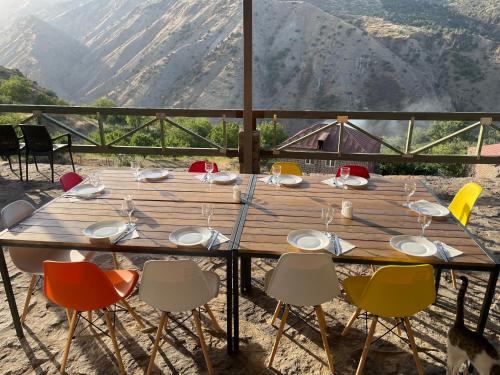
Choosing where to stay in Garni largely depends on whether the priority is immediate access to the temple complex or a quieter village atmosphere that still keeps attractions within easy reach. The closest three-star options tend to cluster along routes between the village square and the road that leads up to Garni Temple, giving straightforward walking access for sunrise visits and quick returns for midday breaks. Setting up base in this zone makes it simple to time photographic moments at the temple and to take short strolls through the village’s narrow lanes, stopping at local cafés or small shops. Travelers who prefer scenic vistas often opt for rooms with mountain views or properties sited on gentle rises; those choices require a short uphill walk but reward visitors with wide panoramas that capture dawn light on the surrounding cliffs and the telltale basalt formations.
If the plan includes pairing Garni Temple with nearby Geghard Monastery, selecting a spot that simplifies car or shuttle pickups can save time—three-star places near the main road slightly outside the village center are often convenient for arranging onward transport. From these locations, day trips to Geghard or combined visits to archaeological sites become logistically easier, especially for parties that wish to combine an early-morning temple visit with a later stop at a monastery or a nearby winery. Quiet evenings back in the village allow for casual wandering and the chance to sample local breakfasts or small family-run eateries within easy walking distance. Regardless of the exact block chosen, the key advantage of three-star accommodations in Garni is their ability to place visitors close to the most important cultural landmarks while preserving a friendly, down-to-earth village ambiance.
Map-friendly wayfinding and transport tips for reaching Garni
Reaching Garni from Yerevan and getting around the village area is straightforward with a handful of common transport strategies that match different traveler styles. Taxis and private transfers provide a direct, door‑to‑door option and are useful for groups or those with tight schedules; travel time from central Yerevan to Garni typically ranges from 25 to 45 minutes depending on traffic. Shuttle services and organized day-trip vehicles depart regularly from points in Yerevan and can be a cost-effective way to combine visits to Garni Temple and Geghard Monastery when pre-booked. For visitors who prefer independence, car rental gives the greatest scheduling freedom and makes exploring nearby wine routes or outlying archaeological sites simpler; the drive from Yerevan follows well-traveled local roads that are generally in good condition, though seasonal weather can alter travel times.
Navigation around Garni is aided by clear local signposting to the temple and gorge, and digital map apps work reliably for pinpointing three-star addresses and planning walking routes. Many three-star hosts provide practical arrival notes on Agoda listings, including meeting points for pickups and the best pedestrian access to the temple path. For travelers relying on public transport, nearby bus links from Yerevan circulate to highway stops close to Garni; schedules can change seasonally, so checking updated timetables or verifying shuttle departures in advance is recommended. Those with reduced mobility should be aware that terrain near the temple and Garni Gorge includes uneven paths and steps; selecting a property nearer the main road reduces walking distances and simplifies transfers.
Day-trip itineraries from Yerevan that pair well with three-star stays
Half-day classic: For a relaxed start, depart Yerevan in the morning and arrive in Garni with time to visit Garni Temple and the nearby Garni Gorge. Begin by strolling the temple terrace at a quieter hour before the larger tour crowds arrive; lingering for photos of the Hellenistic columns and carved capitals rewards early risers with soft light and clearer compositions. After the temple, walk down toward the basalt columns and rim viewpoints—short, level paths make this a comfortable half-day loop for families and casual explorers. Allow two to three hours for the core sights, then return to a three-star guesthouse or bed-and-breakfast for a late lunch and a chance to refresh. This itinerary suits anyone wanting a taste of Garni without committing to a long drive or multiple stops.
Full-day combo with Geghard Monastery and a winery: A fuller day pairs Garni Temple and the gorge with a visit to Geghard Monastery and a nearby winery for a leisurely afternoon. Start early at Garni to capture sunrise reflections on the temple’s stone, then head by car or shuttle to Geghard—about a short drive away—where the rock-cut architecture and acoustics in the cave-chapel create a memorable contrast to Garni’s open-air temple. After exploring the monastery’s chapels and courtyard, select a nearby winery or tasting room that offers short tours and tastings; many local producers welcome guests by appointment, and a tasting provides context to Armenia’s long viticultural history. Time the return to Garni for a relaxed evening stroll through the village and a simple meal. This loop fills a full day while remaining manageable for travelers staying in a three-star property who prefer curated local highlights over rushed sightseeing.
Multi-stop afternoon and photography-friendly twilight: For visitors who prefer a flexible afternoon, plan to explore the decorative lanes near the village center, peppered with local craft stalls, then set out for the gorge in late afternoon. The basalt cliffs and river gorge take on richer tones as the sun lowers, offering dramatic contrasts ideal for landscape photography. Cap the day with a sunset vantage point on one of the accessible ridgelines near the temple approach—these spots are reachable from many three-star properties with a short uphill walk. For those staying in a self-catering guesthouse, consider timing grocery or market stops earlier in the day so that the twilight walk remains unhurried. This itinerary suits photographers, slow-travelers, and families who want flexibility and a quieter pace compared with full-group tours.
Garni Gorge and basalt columns photo routes for sunrise and sunset
Sunrise route: The most rewarding sunrise spots concentrate on the eastern-facing edges of Garni Temple and the northern rims of the gorge. Arriving before first light allows photographers to set up along the temple façade where low-angle sunlight shapes the fluted columns and casts long shadows across the stone floor. Walk the short path toward the gorge’s rim to capture silhouettes of the basalt pillars as they catch the morning glow; shallow river reflections and mist that sometimes lingers in cooler months add atmospheric layers to compositions. For safe access, follow designated walkways and consult local signposting—many three-star hosts mention preferred vantage points in arrival notes. Use a mid-range zoom lens for versatility and a small tripod for stability in low light; shutter speeds will vary quickly as the sun rises, so bracket exposures to preserve highlight detail on bright stone while keeping texture in the shadowed columns.
Golden-hour sunset loop: Late-afternoon light accentuates the warm tones in the basalt and surrounding cliffs, making sunset an ideal time for wide landscape frames. A recommended route begins at the upper access path near the temple approach, then follows the ridge line toward the higher lookout platforms that provide sweeping perspectives over the gorge. These positions capture both the column formations and the river valley below, allowing for layered images when foreground elements—such as native shrubbery or a solitary tree—are included to add depth. For dramatic skies, include a graduated neutral density filter to hold detail in the clouds while preserving texture in the foreground basalt. Photographers should be mindful of local conservation rules and avoid stepping on fragile rock faces; where permitted, using a moderate telephoto lens can isolate patterns in the columns without disturbing sensitive areas.
Practical tips and drone considerations: Safe photography in Garni combines respect for archaeological protections with smart gear choices. Neutral, muted clothing and quiet movement preserve the visitor experience for others and reduce wildlife disturbance. For visitors considering drone use, note that historical sites and nearby protected areas commonly carry restrictions; obtaining permission from heritage authorities is necessary in many cases, and drones may be banned close to temple grounds and monastery complexes. When in doubt, consult local guides or property hosts who often know current rules and can recommend legal flying sites further from the core monuments. Finally, plan for variable weather—spring and autumn mornings can be crisp with mist, while summer dusk offers long golden hours—so bring layers and waterproof protection for camera equipment.
Taste of Garni food scene and traditional breakfast highlights
Village morning fare and traditional breakfasts: Garni’s small culinary scene showcases regional Armenian breakfast staples that make for memorable starts. Expect straightforward, hearty offerings at family-run guesthouses and bed-and-breakfasts: freshly baked lavash or flatbreads, local cheeses with herb accents, bowls of thick yogurt or matzoon, and plates of garden-fresh tomatoes, cucumbers and seasonal greens dressed simply in lemon and olive oil. Egg preparations vary—omelettes or scrambled eggs often arrive with local herbs—while honey and fruit preserves from nearby producers are popular accompaniments. Three-star properties oriented toward self-catering provide space to prepare a simple morning spread, and many hosts suggest nearby bakeries or market stalls for fresh loaves and pastries. These breakfasts give visitors a low-key, authentic taste of Armenian morning customs without formal dining setups.
Casual lunch and dinner options near three-star bases: Dining in Garni centers on a handful of approachable eateries clustered around the village lanes and near the main road towards the temple. Menus commonly reflect time-honoured Armenian dishes that prioritize grilled vegetables, slow-cooked stews, and flatbread-centered platters designed for sharing. Local restaurants and family-run spots often serve seasonal salads, hearty grain-based soups, and slow-cooked meat dishes flavored with local herbs and pomegranate molasses where used regionally. For visitors with dietary restrictions, many kitchens are accommodating if requests are clear—vegetarian options based on beans, cheese, and egg dishes are usually available. Travelers staying in three-star guesthouses that advertise a simple included breakfast will find cuisine that mirrors local tastes—freshness, straightforward seasoning and an emphasis on regional produce.
Food-shopping tips and sampling local products: For those staying in self-catering accommodations, small village markets and roadside stalls offer an easy way to sample regional products. Look for jars of homemade preserves, sun-dried fruits, cured cheeses and locally produced honey—items that also make compact, authentic gifts to bring home. Farmers and cottage producers may sell seasonal produce directly, so midday market runs double as a cultural exchange and a practical shopping stop. When trying new dishes, ask hosts or staff about ingredients and preparation methods; this helps avoid dietary surprises and often results in handy recommendations for lighter or family-friendly choices. Simple etiquette—polite greetings and modest bargaining—works well at local shops and fosters friendly interactions with vendors.
Guided cultural and historical tours that complement a three-star stay
Types of guided experiences: Guided offerings around Garni range from concise, expert-led walks focused on Garni Temple’s history to extended combinations that include Geghard Monastery and neighboring archaeological sites. Short guided walks typically last one to two hours and concentrate on architectural details, Hellenistic influences, and the temple’s role within regional history; these are useful for visitors who want context without an exhaustive itinerary. Longer guided options—half-day or full-day—often combine transport with on-site interpretation, giving travelers deeper insights into medieval monastery life, cave chapel construction at Geghard, and the archaeological significance of basalt formations in the gorge. Family-focused or small-group guides adapt pacing and storytelling to keep children engaged with hands-on explanations and accessible routes.
Booking tips and meeting logistics: Many tours depart from central Yerevan pickup points but a growing number also meet directly in Garni village near the temple approach, which suits guests staying in three-star accommodations. When booking, check whether the tour price includes transport, entry fees, and a local guide’s credentials; independent guides with archaeological or art-historical backgrounds offer richer academic detail, while local guides often bring lively anecdotes and practical tips for nearby eateries and photo spots. For peak seasons or popular time slots—sunrise visits to the temple or midday Geghard visits—reserve at least a few days in advance to secure preferred start times. Group size matters: small-group tours provide quieter access and a more personalized experience, while larger coach-based tours can be efficient for travelers on tight schedules but may limit time at each stop.
Seasonal variations and program flexibility: Tour formats shift with seasonal patterns—spring and autumn see the most comfortable walking conditions and a wider variety of small-group specialty walks, while summer tours may start earlier to avoid midday heat. Winter visits often require adjusted itineraries to accommodate shorter daylight and potential road conditions, with guides recommending safer viewpoints and focusing on sheltered monastery interiors. When staying in a three-star property, ask hosts for recommended local guides or small companies; hosts frequently know reliable guides who offer meeting points convenient for village accommodations and can suggest the right tour length based on mobility needs and family composition.
Hiking paths and gentle treks around Garni for nature-minded guests
Easy family-friendly loops: Garni offers several low-effort walking circuits that suit families, older travelers, and anyone preferring short, scenic outings. Start with the riverside trails hugging the bottom of the gorge: these flat, well-marked paths allow close views of the basalt columns and are ideal for relaxed, camera-ready strolls. Time estimates vary by pace, but most of these loops take one to two hours with frequent stopping points for photos and picnics. Another gentle option follows the village lanes toward nearby lookout points—short climbs rewarded by sweeping valley views—making for a pleasant half-day activity that doesn’t require specialised gear. Because trailheads lie within easy reach of three-star accommodations, hikers can return midday for rest or to avoid peak sun exposure in summer.
Moderate ridgeline treks and seasonal notes: For hikers seeking more elevation and broader panoramas, moderate ridgeline routes offer steeper gradients and extended distances across undulating terrain. These treks typically involve ascents to lookout points that offer panoramic views of Garni Temple from above and can connect with adjacent paths leading toward neighboring hills. Expect sections with loose scree and uneven footing, so good footwear and a basic level of fitness are advisable. Seasonal considerations matter: spring and autumn provide the most pleasant temperatures and colourful landscapes, while summer hikes benefit from early starts to avoid midday heat. Winter conditions can include frost or snow at higher elevations; local guides or hosts can advise on current trail safety and whether boots or poles are recommended.
Safety, gear and etiquette for trail use: Hikers should adopt a light-but-prepared approach—carry water, sun protection, a small first-aid kit, and a fully charged phone with local maps downloaded in case of limited signal. Respect for heritage sites is especially important: stay on marked trails to prevent erosion and avoid trampling archaeological features. Where trails pass through agricultural plots or private land near the village, close gates behind you if necessary and keep noise to a modest level to respect local residents. For those staying in three-star guesthouses, hosts often provide simple printed trail notes or can arrange a local walking companion; this is particularly useful for visitors unfamiliar with the terrain or for families wanting added reassurance on moderate routes.
Local events, festivals and seasonal rhythms that shape visits
Seasonal patterns and peak months: Garni’s visitation patterns mirror Armenia’s broader seasonal rhythms—spring and autumn are favoured for comfortable weather and pleasant daylight, while summer brings hotter temperatures and the highest tourist volumes. Spring (April–June) showcases wildflowers and moderate hiking conditions, drawing visitors who prefer mild days and quieter village life; this period also aligns with agricultural activity, offering lively market stalls for fresh produce. Late summer and early autumn (August–October) provide warm days and softer evenings, popular with photographers and wine lovers sampling harvest events nearby. Winter is quieter and appeals to travelers seeking a low-key experience; cooler days limit some outdoor activities but can produce crisp, clear views of the temple and gorge.
Major events and village rhythms: Garni participates in regional cultural rhythms with occasional local festivals, religious observances and seasonal markets that affect accommodation demand and village energy. These events may cluster around public holidays or harvest times and often include music, communal meals, and artisanal stalls showcasing regional handicrafts. For visitors, participating in a village event offers a rewarding cultural window, but these dates can also push up rates and create limited availability in three-star properties. Checking calendar listings on booking pages and asking hosts for local event dates helps align travel plans with either festival attendance or quieter off-peak stays.
Booking implications and seasonal strategies: For travellers planning visits during festival periods or the warm summer months, booking early secures the best selections among three-star guesthouses and bed-and-breakfasts that tend to have smaller inventories than urban hotels. Shoulder seasons—late spring and early autumn—often offer the best compromise between pleasant weather and lower rates. For winter travel, confirm road conditions and access to attractions as local services may operate reduced schedules; hosts and local tour providers typically update guests on seasonal changes. Planning flexibility—choosing refundable booking options on Agoda where possible—lets travelers adjust to shifting weather forecasts or local event changes without losing value.
Value-focused booking tips on Agoda for three-star Garni stays
Comparing listings and spotting value: When searching for three-star properties in Garni on Agoda, compare several listings in similar location bands—close to the temple, village center, or main road—to assess how price varies with immediate access to sights. Look beyond headline rates: read recent traveler reviews for signals about accuracy of photos and descriptions, check whether listings state clear arrival instructions, and note any comments about views or room sizes that align with priorities like mountain-view rooms. Sorting by guest rating and filtering for free cancellation options helps maintain flexibility for changing plans or weather-dependent itineraries. Pay attention to check-in windows and host communication ratings; reliable arrival information is especially valuable in a smaller village setting.
Timing deals and refundable options: Booking windows matter: shoulder seasons often reveal better per-night rates while peak summer and festival periods command higher prices and fewer last-minute options. If travel dates are fixed, securing a refundable or partially refundable rate provides peace of mind in case plans shift. Agoda’s filters can highlight refundable rates and clarify payment terms—some properties allow payment at the property while others require prepayment. For travelers who value flexibility, choose listings with clear cancellation policies and recent positive reviews regarding host responsiveness.
Reading reviews and verification signals: Prioritise listings with multiple recent reviews rather than a single glowing outlier; consistent praise for cleanliness, accurate photos, and helpful local advice are strong indicators of a dependable three-star stay. Guest comments that mention walking distance to Garni Temple, quiet village nights, or family-oriented room setups offer actionable clues for matching a property to traveller needs. Use Agoda’s map view to confirm exact location relative to the temple and transport routes, and message hosts through the platform to clarify arrival logistics—this small step frequently uncovers practical tips not listed in the public description and reduces the chance of last-minute surprises.
Family-friendly activities and practicalities near Garni
Attractions and pace for families: Garni’s compact scale makes it well suited to family travel, with short walks to major attractions and several low-effort nature spots that entertain children. The temple terrace and the riverside paths in Garni Gorge offer safe, memorable exploration without extended trekking. Picnic-friendly rim viewpoints and short loop trails provide manageable half-day options that match most children’s attention spans, while village lanes present gentle exploratory walks where kids can observe local life. For families staying in three-star properties, plan alternating active mornings with relaxed afternoons—this rhythm keeps little ones comfortable while allowing adults to enjoy the cultural highlights.
Room configurations, quiet hours and child considerations: Many three-star guesthouses and bed-and-breakfasts supply flexible room layouts that accommodate small families—double beds with the option of an extra rollaway or sofa bed are common—though room sizes can vary, so confirm configurations before booking. Village etiquette around quiet hours tends to favour early-evening calm; families should be mindful of late-night noise to respect local residents. For day-to-day practicality, bring or request basic child needs in advance—small items like favorite snacks or a compact travel kettle for preparing simple meals can make stays easier, especially in self-catering setups. Hosts often help arrange shorter transfer times or recommend family-friendly eateries nearby.
Safety and medical basics for families: Keep on-hand a small first-aid kit and basic remedies for minor scrapes and seasonal ailments, as local pharmacies are available but can be further away in rural stretches. Sunscreen and hats are essential for prolonged outdoor time, particularly in summer, and comfortable walking shoes reduce slips on uneven paths near the gorge. For allergy or dietary needs, verify meal ingredients in advance—most family-run eateries are accommodating when asked kindly. Finally, for longer excursions, consider arranging a guided or driver-assisted tour to minimize logistics and ensure smooth returns to the accommodation for nap or rest times.
Accessibility realities for travelers with mobility or health needs
Garni’s compact village layout helps make many of the central sights approachable, but terrain and historical site design impose real limits for visitors with reduced mobility. Pathways around the temple grounds and the gorge include stone steps, uneven paving, and short steep sections that are original to the site or follow natural contours; these features can restrict direct access to certain viewpoints and rim trails. Three-star guesthouses clustered near the main road and village square offer the easiest arrival and departure points, reducing uphill walking and simplifying transfers from taxis or shuttle stops. When searching Agoda listings, filter for arrival notes and host communication ratings, then message hosts to request precise details about doorstep access, entrance thresholds and whether an alternative, flatter route is available to the temple approach.
Transport and assistance options matter: taxis and private transfers are typically the most practical choices for door-to-door arrival, enabling travelers to be dropped at lower-gradient entry points rather than attempting long uphill walks from roadside stops. For those relying on public transport, confirm the exact drop-off location since some bus stops sit slightly farther from sightlines to the temple, necessitating an uphill walk on uneven paths. Local guides and drivers often know the smoothest approaches and can recommend meeting points that avoid steep staircases. For travelers needing physical assistance, consider pre-arranging a driver who can wait during short visits or checking with local tour operators about small-group options that prioritise minimal walking distances.
Accommodation-level considerations: three-star guesthouses and bed-and-breakfasts in Garni vary in layout—many are traditional buildings with narrow corridors, modest staircases and room entrances that may not align with universal-access design. When mobility-friendly features are essential, ask for ground-floor rooms and request photos of entryways and bathrooms through Agoda messaging before booking. Hosts frequently provide practical help with luggage or step assistance, but dedicated accessible rooms with grab bars or roll-in shower options are uncommon in smaller village properties. For visitors with medical needs, identify the nearest clinic or pharmacy in advance and bring necessary documentation or supplies; hosts and local guides can advise on local healthcare points and likely travel times to Yerevan medical services if a higher level of care becomes necessary.
What reviews reveal about three-star hospitality in Garni
Reviews for three-star properties in Garni typically emphasize accuracy of listing details, clarity of directions, and host helpfulness—three consistent reputation signals that matter more here than lavish trimmings. Travelers often comment first on whether photos match reality, whether arrival notes are clear enough to find small village addresses, and whether hosts respond promptly to messages about pickup or local recommendations. Scanning recent reviews on Agoda for multiple stay dates helps identify consistency: recurring praise for quiet evenings, clear walking distances to Garni Temple, or reliable hot water are more meaningful than isolated superlatives. Conversely, repeated mentions of cramped rooms, unclear check-in procedures, or noisy road-facing rooms can signal areas to avoid or questions to clarify before booking.
Spotting actionable review patterns requires looking beyond star ratings to the substance of guest comments. Seek out reviews that mention family stays or mountain-view rooms if those features matter, and filter for mentions of host-arranged transport if independent arrival logistics are of concern. Pay attention to language about cleanliness and communication—these are frequent benchmarks for three-star comfort in a village setting. Reviews that note small but helpful gestures—printed trail notes, recommended market stalls, or a host’s local dining tip—indicate a personable service approach common to well-run three-star guesthouses. For risk-averse travelers, prioritize listings with a higher volume of recent reviews rather than a single glowing account; consistency in commentary around location, hospitality, and accuracy is the best predictor of a smooth stay.
A practical checklist for weighing reviews: confirm arrival logistics are explicitly described, verify mention of proximity to Garni Temple if walkability matters, check for comments about quiet hours or road noise, and look for repeated notes on room size or bed configurations. If pets are part of the party, scan for explicit pet-policy mentions. Where uncertainty remains, reach out through Agoda to request clarifications—host responsiveness to pre-booking messages is itself a strong review-like signal of reliable hospitality.
Money matters and seasonal pricing for three-star properties
Price patterns in Garni reflect seasonal visitor flows and local event calendars: peak summer months and festival dates usually see the highest nightly rates, while late spring and early autumn (shoulder seasons) often present better per-night values. Typical three-star pricing here tends to be lower than city-center alternatives in Yerevan, with a spectrum that depends on location within the village—properties closest to the temple and main road often carry modest premiums, whereas quieter, slightly more distant guesthouses can be more budget-friendly. For travelers booking via Agoda, comparing similar-location listings and checking map distances to Garni Temple is an effective way to understand price-value trade-offs. Search filters that highlight recent reviews and refundable options add protection when prices differ between comparable listings.
Understanding payment and fee norms helps avoid surprises: many three-star guesthouses provide flexible payment methods—some accept payment on arrival while others request partial prepayment—so review Agoda listing terms carefully to confirm whether taxes or local fees are included in the total price. Refundable rates cost a bit more but provide flexibility for weather- or event-driven changes, and Agoda’s filtering makes it easier to prioritise those options. For longer stays or last-minute bookings during shoulder seasons, negotiating directly through host messages can sometimes produce small discounts or value additions, though such outcomes vary widely and depend on host policies. When festival dates or harvest events are nearby, planning and booking earlier is wise as smaller properties have limited inventory.
Strategies to maximise value: book refundable options for uncertain schedules, compare map locations to weigh convenience vs price, and prioritise listings with multiple recent, specific reviews about cleanliness and host communication. For budget-conscious travelers willing to trade immediate temple proximity for savings, look for three-star guesthouses a short walk from the main road that still allow easy taxi access for sunrise photo runs. Finally, maintain an eye on cancellation policies and arrival logistics listed on Agoda; the combination of clear directions and flexible payment terms often delivers the best overall value for three-star stays in a small village like Garni.
Sustainable stays and eco-aware choices in Garni
Sustainable travel practices in Garni are frequently grassroots and host-driven rather than formal certifications typical of larger hotels. Three-star guesthouses and family-run bed-and-breakfasts sometimes adopt eco-aware measures such as sourcing local produce, encouraging towel reuse, or limiting single-use plastics—practices often mentioned in property descriptions or guest reviews. When booking on Agoda, scan listing descriptions and reviews for signs of local sourcing, waste-reduction practices, or host commitments to preserve surrounding natural features. Simple choices by travelers—carrying a refillable water bottle, avoiding disposable cutlery, and packing a small reusable bag for market purchases—support local efforts and reduce footprint while visiting the village and its natural attractions.
On-the-ground actions that help protect Garni’s heritage and landscape are straightforward. Stick to marked trails around the temple and gorge to avoid erosion of delicate basalt formations, avoid leaving litter at viewpoints, and support local artisans by buying directly from stallholders who produce ceramics, woven goods, or preserves. Travelers who opt for walking and short local drives instead of extensive vehicle use can reduce emissions and discover quieter vantage points not easily reached by larger tour coaches. When seeking properties that prioritise sustainability, guests can message hosts on Agoda to ask about recycling practices, water usage policies, or whether the property supports community projects, as small operators are often happy to share details about local initiatives that do not involve formal eco-certification.
Choosing eco-aware experiences extends to tours and wineries: ask guides how they manage group sizes and whether tasting rooms limit waste during events. Buying local and seasonal food supports the village economy and reduces the environmental cost of long supply chains. For travelers who want to leave a positive mark, small donations to local conservation groups, or choosing guides who reinvest in community projects, are practical ways to ensure tourism benefits Garni while preserving the landscapes that draw visitors.
Local crafts, markets and souvenir hunting near three-star bases
Garni’s markets and roadside stalls offer an intimate souvenir scene where handcrafted items reflect regional skills and seasonal production. Visitors can expect to find small ceramic pieces, woven textiles, jars of homemade preserves and honey, and simple wooden or stone crafts made by local artisans. Prices are generally modest, and bargaining is polite but mild—start with a friendly offer and be prepared to meet the seller halfway. Buying directly from makers at market stalls supports household incomes and often yields items with a story—ask about the maker and the materials used to create a more meaningful souvenir. For compact, travel-friendly gifts, jars of preserves, small ceramics or textile coasters provide authentic mementos without bulky luggage demands.
Where to look and how to approach shopping: stall clusters near the village center and the main road toward the temple are convenient stopping points for travellers staying in three-star accommodations. Weekend market days or seasonal stalls timed with regional festivals amplify variety and are excellent for discovering produce and artisanal goods. When shopping, inspect pieces for durability—especially ceramics and textiles—and inquire whether items are truly handmade rather than mass-produced. Ethical buying also means understanding origin: ask whether wool is locally sourced, whether dyes are natural, and whether the maker receives a fair price. For pricier or fragile purchases, request simple packaging or ask sellers for a protective wrap to prevent damage in transit.
Practical tips for travellers: carry a small amount of local currency for stalls that prefer cash, keep purchases consolidated to streamline airport baggage checks, and be mindful of customs rules for food items like honey or preserves when travelling home. For those who prefer pre-trip planning, Agoda listings often include host tips about nearby shops and market days—message hosts to locate specialty sellers or to ask whether a particular workshop allows visitors to see artisans at work. Shopping in Garni is as much about the encounter as the object: a short conversation with a maker often enhances the souvenir’s value and gives a personal connection to village life.
Nearby wineries and tasteful wine-tasting experiences
Armenia’s winemaking heritage is ancient, and the region around Garni provides approachable tasting experiences that pair well with three-star stays. Wineries near Garni range from small, family-operated producers to slightly larger boutique outfits; many host tastings by appointment and aim to present local grape varieties alongside short tours of cellars and production methods. Tastings often include a selection of wines paired with local cheeses, preserves or simple bites—use these pairings to explore how regional flavors complement the wines. Booking a tasting in advance is recommended, especially during harvest season and peak summer months when local producers welcome increased visitation.
Combining tastings with day trips: an easy day loop pairs a morning visit to Garni Temple and the gorge with an afternoon winery stop, returning to a three-star guesthouse for an evening stroll. For travelers without a private vehicle, local drivers or tour operators can arrange combined trips that include winery visits, letting guests avoid logistical headaches. Wine-tasting formats vary: some producers offer concise tutored tastings and quick tours in under an hour, while others welcome longer, more conversational visits with extended sampling of vintages. Ask whether tastings include an introduction to Armenian grape varieties and traditional qvevri (amphora) techniques if the producer uses regional heritage methods—this background adds cultural depth to the sensory experience.
Practicalities and etiquette: when visiting wineries, confirm appointment details, any tasting fees, and whether purchases are permitted for export. Small producers often prefer cash or local bank transfers for purchases, so check payment methods in advance. Tasting responsibly is key—arrange transport if planning multiple samples, and consider splitting a tasting between companions if driving back to a three-star guesthouse. Finally, support local producers by buying a bottle or two as gifts or mementos; many vineyards offer shipping services within Armenia or provide guidance on safely packing bottles for travel.
Language basics and polite Armenian phrases to ease local interactions
A handful of Armenian phrases goes a long way in village settings like Garni, where simple courtesies unlock friendlier interactions and smoother transactions. Useful greetings and polite phrases include basic salutations and thank-yous that show respect: brief hellos at the start of conversations, a thank-you after a market purchase, and a polite goodbye when leaving a small shop. Pronunciation tends to reward clear, slow articulation rather than speed, and locals appreciate even modest efforts at speaking the language. Key transactional phrases—asking for price, requesting directions to the temple, or enquiring whether a meal contains certain ingredients—help reduce miscommunication and make visits more comfortable.
Tailored phrases for travelers: learn short, practical phrases that relate directly to a three-star stay—asking about room location (ground-floor or second-floor), requesting a taxi, or asking for recommendation for a nearby eatery. A small phrase list written on a card or stored in the phone can be handy when signals are weak and immediate translation is needed. Hosts and shopkeepers often speak some Russian or English, especially in tourist-facing spots, but using Armenian phrases signals cultural respect and usually prompts extra helpfulness. Politeness extends to gestures: a brief nod, eye contact when appropriate, and small pleasantries during purchase conversations contribute to relaxed exchanges in village markets.
A compact phrase toolkit: prepare greetings, a phrase for “how much,” a phrase for “thank you,” basic directional questions, and a polite request phrase. Practicing these aloud before arrival builds confidence and often results in warmer local responses. If uncertain on pronunciation, rely on phonetic renderings in the phone notes and keep a translation app ready for less common queries—this combination helps bridge small language gaps while staying respectful and engaged.
Safety, health and common-sense precautions for Garni visitors
Garni is generally a low-risk destination, yet sensible precautions make for a smoother visit. Hydration and sun protection are priorities during outdoor visits to the temple and the gorge—carry water, wear a hat, and apply sunscreen during summer months when midday exposure is strongest. For longer outings, bring a small first-aid kit with plasters, antiseptic wipes and any personal medications; village pharmacies exist but may have limited stocks for specialised items. When planning hikes or rim walks, choose appropriate footwear to avoid slips on loose scree and uneven stone surfaces, and carry a lightweight layer as weather can shift quickly, especially in spring and autumn.
Respect for cultural heritage and local safety norms: stay on marked paths at archaeological sites to prevent damage and avoid crossing barriers placed to protect fragile features. Keep noise levels modest in village evenings to respect local quiet-hour customs, and follow any site-specific instructions provided by guides or signage at monuments. Road safety is another consideration—pedestrians should use caution when crossing rural roads that link village points and temple access routes; drivers sometimes move quickly between stops, and visibility at dusk can be reduced. For emergency contingencies, note the nearest larger medical facility in Yerevan and keep a copy of important contacts, including any host phone numbers and local transport providers.
Seasonal health notes and preparedness: in winter, cold-weather gear and sturdy footwear are essential as stone surfaces can be icy; in shoulder seasons, be ready for sudden showers. For insect-prone months, a small insect repellent helps on riverside walks and in low-lying fields. Travel insurance that covers medical evacuation or unexpected trip changes is recommended for international visitors, and copies of prescriptions or health documents saved digitally ensure ready access if medications are needed while away from the main city. Overall, a light, prepared approach keeps the focus on enjoying Garni’s cultural riches with minimal disruption.
Room realities and norms for three-star accommodations in Garni
Three-star rooms in Garni generally prioritize comfortable basics and local character rather than opulence—expect modest square footage suited to couples or small families, with many properties offering mountain-view rooms when positioned on a gentle rise. Bed types commonly include double beds and twin configurations, and some rooms provide simple extra bedding options for families. Room layouts tend to be practical rather than spacious, with enough floor area for luggage, a seating corner and clear sightlines to any view; exact dimensions vary by property, so checking photographs and recent guest comments on Agoda helps set expectations about size and room orientation.
In-room amenities often reflect a no-frills, travel-friendly approach: basic climate considerations such as heating in cooler months and a simple wardrobe or storage area are typical. Listings frequently specify whether rooms are ground-floor or accessed by stairs—useful information for mobility needs or families travelling with small children. Standard check-in and check-out policies in the village align with common practice in regional lodging—flexible arrival windows are often arranged by prior message with hosts, while check-out times generally follow usual hotel norms; always check the listing’s stated times and communicate estimated arrival to avoid confusion. Payment methods vary: many properties accept cash in local currency and some accept card payments or online prepayments through Agoda, but confirm ahead to avoid last-minute issues.
Practical booking tips: review recent guest photos for a realistic sense of room size and light, and message hosts to confirm bed configurations and whether a room faces the mountain or the road. For families, ask about available extra beds and whether those options affect room circulation. When booking, include arrival time information in the Agoda message box so hosts can prepare for key handoff and any assistance with luggage; this small communication step often smooths arrival and sets the tone for a welcoming stay.
Pet travel norms and etiquette for staying in a village setting
Pet policies among Garni’s smaller guesthouses and bed-and-breakfasts vary, and many properties welcome well-behaved pets while others prefer not to host animals due to limited space or local sensitivities. When travelling with a pet, check Agoda listings carefully for explicit pet-policy statements and message hosts in advance to confirm whether an animal is permitted, any additional fees, and any house rules—some guesthouses set limits on pet size, require pets to be kept on a leash outside or confined to certain rooms, or ask owners to bring familiar bedding to reduce disturbance. Early communication helps avoid awkwardness on arrival and shows respect for hosts who manage small properties.
Village etiquette for pets: Garni is a close-knit village environment where noise and roaming animals can affect neighbors and local livestock; keeping pets under close supervision and on a leash when walking near homes or market stalls is the norm. Clean up after pets to preserve shared public areas and avoid leaving animals unattended in common spaces. Quiet-hours expectations mean daytime play is fine but avoid loud barking in the early morning or late evening; respectful behaviour reduces complaints and helps ensure that guesthouses continue to welcome animal companions. If visiting walking trails or archaeological sites, verify site-specific rules about animals—some historical areas may restrict pets or require leashing to protect fragile zones and other visitors.
Practical pet-travel tips: bring copies of vaccination records and any medications, pack familiar food to avoid digestive upsets, and locate nearby veterinary services or pharmacies before arrival. When in doubt, choose accommodations with proven pet-welcome reviews on Agoda and treat hosts’ guidance as the local standard—polite, prepared pet owners enhance the experience for everyone.
Local rules around photography and drone use at historical sites
Photography at Garni Temple and surrounding heritage sites is a popular activity, but it comes with responsibilities to protect archaeological fabric and respect local rules. Handheld photography for personal use is widely accepted in open-air areas, and many early-morning or late-afternoon visits capture the best light for images. Avoid using flash on delicate stone-carved elements if signage requests it, and refrain from entering restricted zones or stepping onto features that are marked to prevent erosion. Respect for fellow visitors and ritual spaces—speaking quietly and avoiding intrusive behaviour while photographing people or religious ceremonies—helps maintain a considerate atmosphere.
Drone use around historical and protected areas is often restricted or requires permits. Many heritage zones and monasteries have explicit prohibitions on drone flights to protect structural integrity, privacy, and visitor safety. Before planning to fly, check current local regulations and contact relevant heritage authorities for permission, as ad-hoc flights near protected monuments risk fines or confiscation. When in doubt, consult property hosts, local guides, or the site information on arrival to learn about no-fly zones and alternative nearby locations where recreational drone use might be permissible. If permission is granted, keep flights short, low, and far from crowds and sensitive features, and always observe local signage.
Photographic courtesy: prioritize landscape and detail shots that do not disturb other visitors, and where photographing locals or vendors, request permission first—this small courtesy often leads to friendlier interactions and richer images. For travellers who rely on drone footage, plan backup options such as handheld camera sequences or wide-angle lens shots in case drone use is restricted at core monuments. Respectful shooting practices protect the site's longevity and the quality of experience for future visitors.
How to build multi-day loops that include Garni and the surrounding highlights
Garni makes an excellent base for multi-day loops that combine cultural landmarks, gentle hiking, and tasting local wines. A relaxed three-day loop could begin with an afternoon arrival and a gentle sunset vantage point near the temple, followed by a full day that pairs Garni Temple and Garni Gorge with Geghard Monastery and a winery visit. On day two, allocate time for a guided cultural tour in the morning to enrich historical context, then an afternoon winery tasting or market visit. Day three might focus on a moderate ridge trek and visits to lesser-known archaeological sites in surrounding valleys before returning to Yerevan or continuing on to other regional highlights. This pacing keeps mornings active—when light and weather are best—while maintaining restful afternoons suitable for families and travellers staying in three-star accommodations.
Logistical tips for loop planning: use a three-star guesthouse as a staging point and inform hosts of planned day-trip departures so they can advise on best meeting points for drivers or shuttle pickups. If travelling without a private car, combine local shuttle services and short taxi legs for flexibility; pre-booking transport for full-day excursions reduces waiting time and ensures reliable return schedules. For luggage logistics, most three-star properties are accustomed to multi-day travelers and can hold bags between shorter interludes, but confirm storage options and insurance considerations in advance. When plotting routes, consider seasonal variations—start early in summer to avoid midday heat, and plan fewer long walking legs in winter due to shorter daylight.
Pacing and optional add-ons: tailor the loop to interests—add an extra day for slower travellers who want to linger at wineries or markets, or compress the itinerary for active visitors keen on multiple archaeological stops. For multi-stop journeys that extend beyond Garni, arrange overnight checkpoints in nearby towns or return to Yerevan to access broader transport and dining options. Clear communication with hosts and local guides keeps transfers smooth, and building a modest reserve of time in the schedule helps absorb delays while maintaining an enjoyable, low-stress multi-day circuit.
Quiet hours, guest etiquette and being a considerate visitor in Garni
Garni’s village atmosphere prizes calm evenings and respectful interactions, and small gestures go a long way toward being a considerate visitor. Quiet hours often align with local norms—generally later evening into the night—so keep noise low in shared spaces and outdoor communal areas after dinner. When returning late from temple visits or day trips, use respectful movement and low-volume conversation to avoid disturbing neighbors. In narrow village lanes, yield to residents and maintain polite walking pace; local life unfolds on doorsteps and simple courtesies—smiles, brief greetings, and lowered voices—help preserve goodwill between visitors and hosts.
Shared-space etiquette applies to market areas, walking paths, and room access in three-star guesthouses. Avoid leaving personal items in communal corridors or on shared terraces, and clean up after picnic stops or short hikes—village pride rests on tidy lanes and well-kept public spaces. When photographing people, request permission first; vendors and locals often welcome friendly engagement but may prefer a small fee if images are used commercially. Respect agricultural plots and private property—do not cut across fenced fields or trample gardens; instead, follow footpaths and gates designed for public passage.
Small acts of consideration enhance the village experience: adhere to host check-in and check-out times where possible, communicate delays in advance, and follow any house rules about smoking or eating in specific areas. For longer stays, reciprocate local hospitality by buying market goods or using recommended eateries—this helps local economies and fosters positive relationships. Simple manners and attention to quiet hours keep Garni pleasant for residents and future visitors alike.
Maps, schedules and digital tools to plan a Garni stay with confidence
Digital mapping apps remain the most reliable way to plot routes between Yerevan, Garni and nearby highlights; use offline map downloads for areas with patchy signal so walking routes and taxi pickup points remain accessible. Agoda’s map view is a valuable pre-trip planning tool—confirm exact property locations relative to Garni Temple, main roads and shuttle stops to anticipate walking distances. For scheduled transport, check local shuttle timetables and bus services from Yerevan in advance; times can shift seasonally, so verify schedules close to departure dates. Local tour operators often provide pickup points in central Yerevan and direct meeting spots in Garni, which simplifies coordinating day trips that combine temple visits, Geghard Monastery and winery stops.
Useful tech and analog backups: download a basic phrasebook and a lightweight translation app for on-the-spot communication; keeping a paper copy of essential directions and emergency contacts in the luggage is a prudent backup. For photography outings, offline weather apps help time sunrise and sunset runs, while simple compass or elevation tools assist with ridgeline treks. When arranging transport via Agoda messages, save host-provided directions and meeting coordinates as a screenshot to show taxi drivers who may have limited English. For longer stays or multi-day loops, create a shared itinerary document that includes booking references, pickup times and host contact details—this consolidates information and reduces stress during transit days.
Pre-trip checklist for confidence: confirm arrival logistics and check-in details with the host through Agoda messages, download offline maps and key directions, verify shuttle or tour departure times a day in advance, and store emergency contacts and nearest medical facility information both digitally and on paper. With these tools in hand, travelers can enjoy Garni’s cultural and natural highlights from a comfortable three-star base while avoiding common logistical hiccups.


 See all


 See all




 See all


 See all


 See all




 See all


 See all


 See all


 See all


 See all

