Live Like a Local in Garni Self Catering Apartments
Self-catering apartments in Garni offer a balance of village calm and practical convenience for travelers who want independence without losing touch with local life. Many apartments are compact two- to three-room units suited to couples, solo travelers, or small groups; layout tends to combine a living area with a kitchenette or a dedicated kitchen, one or two bedrooms, and a bathroom. Apartment clusters often sit within or close to Garni village center, meaning short walks to bakeries, small grocery outlets, and the bus/minibus stops that link Garni with Yerevan and surrounding sites. For travelers prioritising proximity to everyday conveniences—markets for fresh produce, a morning coffee at a local café, or quick access to Garni Temple—apartments near the core make it easy to pop out, pick up ingredients, and return to a private space for cooking and relaxation.
Choosing an apartment involves weighing size, layout, and host-provided amenities against the length of stay and travel style. Short-term rental regulations in Armenia influence how apartments are listed and managed; many hosts register units as short-stay rentals and include clear guest responsibilities in the listing—rules about waste sorting, quiet hours, and check-in logistics are typical. Apartment stays suit independent travellers who want to self-cater while enjoying compact, well-organised living areas; essentials like a functional kitchen workspace, reliable hot water, and clear instructions for heating or water systems are frequent listing highlights. Location also matters: apartments nearer the village center reduce transit time to Garni Gorge and local eateries, while slightly outlying units can offer quieter evenings and more expansive views of the surrounding hills.
Charming Holiday Cottages for Rustic Stays
Holiday cottages around Garni tend to lean into the rural charm of the area—single-storey cottages and country homes often present more indoor space and simple layouts that suit families or groups craving room to spread out. Typical cottages provide a separate kitchen or spacious kitchen-diner, multiple bedrooms, and easy access to outdoor areas such as small gardens or terraces. Those outdoor areas become useful workspaces or play areas during milder months, and interior layouts frequently prioritise communal zones for cooking and evening gatherings. For travellers who value separate sleeping areas, larger living rooms, and a homely vibe, cottages deliver a sense of staying in a village dwelling rather than a compact apartment.
Practical comfort in Garni cottages is influenced by seasonal factors and construction styles. In cooler months, heating and insulation come to the fore; many cottages rely on local heating solutions and individual hot water systems, so checking the listing for details about heating type, fuel, and whether hosts supply instructions or spares for controls is advisable. Single-level layouts common to cottages can offer better accessibility for guests who prefer to avoid stairs, and hosts often list accessibility features—level entrances, step-free thresholds, or wider doorways—when present. Cottage stays suit travellers looking for a relaxed pace, space to cook larger family meals, or the option to bring pets and enjoy private outdoor time; verifying the inventory for kitchen gear and confirming the hot water and heating arrangements helps set expectations for comfort across seasons.
Vacation Rentals with Kitchens that Make Cooking Fun
Vacation rentals in Garni that highlight full kitchens are central to the self-catering experience; these properties range from snug apartments with compact but efficient kitchens to larger cottages with expansive cooking spaces. A well-equipped kitchen turns a short stay into an opportunity to experiment with Armenian ingredients or recreate familiar meals while on the road. Typical fully-equipped features guests expect include a stove and oven for baking or stewing, a refrigerator with adequate capacity for grocery runs, basic cookware and utensils, plates and glassware, and small appliances such as a kettle or coffee maker. Listings that clearly detail their kitchen inventory—pots and pans, a cutting board, measuring implements, and cleaning supplies—help travellers decide whether a given rental will meet their meal-planning needs.
Kitchens vary widely: some units offer a compact kitchenette designed for simple breakfasts and light cooking, while others provide full-sized kitchens with generous counter space and storage suitable for multi-course meals or group cooking sessions. For longer stays or families, the presence of cookware variety, oven-ready dishes, and sturdy tableware can make the difference between comfortable self-catering and frequent restaurant visits. Clarity in listing descriptions is essential—knowing whether there’s an oven for roasting, a full-size fridge for stocking local produce, or just a small two-burner hob informs shopping plans and meal choices. Practical tips for guests include checking whether basic condiments are supplied, whether dishwashing supplies are available, and confirming how cooking fuels and kitchen appliances operate to avoid surprises on arrival.
Where to Stock Up: Garni Markets, Mini-marts and Fresh Ingredients
Garni’s food scene is refreshingly straightforward: village markets, small grocery shops, and bakeries supply most ingredients self-caterers need. Local markets near the village center typically offer seasonal produce—tomatoes, cucumbers, peppers, apples, and stone fruits when in season—alongside fresh dairy like yoghurt and white cheese that are staples in Armenian home cooking. Bakers in Garni turn out leavened breads, lavash and sweet pastries early in the morning; timing a market run before 10am often yields the widest selection and the freshest bread. Mini-marts scattered around the village provide pantry basics: rice, pasta, canned goods, cooking oil, sugar and tea. For visitors planning to cook local dishes, look for stalls selling fresh herbs (dill, coriander, basil) and garlic, and ask vendors about peak ripeness—market vendors are approachable and used to helping travellers pick produce suited for immediate use.
Practical tips can make grocery shopping smoother. Many shops operate with village hours—open early morning, closed mid-afternoon siesta-style in some cases, then open again until evening—so it helps to check hours on arrival or ask the host for the nearest 24/7 option if arriving late. For larger grocery runs, there are bigger supermarkets on the route toward the main road connecting Garni to Yerevan; these stores stock imported and packaged items that smaller outlets may not carry. When planning meals for hikes to Garni Gorge or a picnic near Garni Temple, buy sturdy breads, fresh cheese, fruit, and bottled water—local markets can pack produce in simple paper or plastic bags, so bringing a reusable bag is useful for reducing waste and making carrying easier.
Easy Meal Nights: Nearby Dining, Takeaways and When to Ask for Help
Even self-caterers appreciate the convenience of a local restaurant or takeaway for evenings when cooking sounds like a chore. Garni has several small eateries and family-run spots that serve hearty Armenian classics—stews, grilled meats, fresh salads and soups—often at village-friendly prices. Menus tend to feature local ingredients and straightforward preparations: a warm soup, a grilled main, and a salad with fresh herbs. Takeaway options may be limited compared with a city, but many local eateries are used to preparing food for pickup; calling ahead or sending a message through the host to place an order allows for a smooth handover. When ordering, specify pickup time clearly and confirm whether the dish is packed for transport if returning to a rental; many places provide sturdy containers but checking saves last-minute surprises.
For those wanting a middle path—part-cook, part-order—consider planning one dinner out mid-stay and using leftovers or simple salads other nights. A typical village dinner can complement self-catering plans: pick up a fresh flatbread or a roasted dish and pair it with a salad prepared in the rental kitchen using market-bought vegetables. Hosts or local contacts often know which eateries can cater to small groups or create simpler takeaway portions; asking about lunchtime specials or fixed-price menus can stretch a budget while letting the kitchen rest. Payment is usually in cash, though many establishments accept card payments in busier areas; carry some local currency to expedite dinners after long days exploring the Gorge or the Temple.
Laundry and Practical Washing Facilities for Longer Stays
Laundry logistics matter for travellers staying several days or more. Many self-catering rentals list an in-unit washing machine as part of their amenities; when present, these machines are invaluable for extended trips and families. In other units, shared laundry facilities—either in a neighbouring building or on the property—are sometimes provided, while laundromats or services in nearby towns handle bulk washing and drying for a small fee. Washing-machine models and instructions vary, and some hosts expect guests to provide their own detergent or to pay for extra usage; checking the listing description and asking about detergent provision prevents getting stuck without soap. Drying options are similarly diverse: some rentals have a clothesline or drying rack in an outdoor space, while others offer indoor rails or electric dryers. For sunny months, air-drying in Garni’s fresh mountain air is effective and energy-efficient; in cooler seasons, verifying indoor drying space and the presence of warm airing spots helps manage laundry expectations.
Travelers should also consider fragile-item care: hand-wash only items may be better addressed with a basin and a bit of biodegradable detergent, which many hosts either supply or can recommend locally. For longer stays, enquire about ironing facilities or local ironing services if wardrobe presentation matters for meetings or events. When sending clothes out to a laundromat, clarify turnaround times—same-day service may be available but often requires planning. Finally, storing damp clothes correctly in compact rentals avoids musty smells: small travel-friendly mesh bags or a portable drying line can help keep laundry tidy and manageable during a self-catered stay.
Reliable Wi‑Fi, Mobile Coverage and Work‑Friendly Setups
Connectivity is an increasingly important amenity for independent travellers and remote workers. In Garni, signal strength varies by location and property type: rentals close to the village center usually benefit from steadier wired internet or stronger mobile coverage, while more remote cottages may rely on mobile data or slower fixed-line connections. Listings often indicate whether Wi‑Fi is included and sometimes provide an approximate speed; for work that requires stable video calls or large uploads, request a recent speed test from the host before booking. Mobile network coverage across the region is generally decent along main roads and in populated areas; purchasing a local SIM card upon arrival provides a reliable backup for data and calls, especially when hiking to Garni Gorge or visiting the Temple where fixed Wi‑Fi may not reach.
For guests wanting a dedicated workspace, many self-catering properties have a table or desk area suitable for a laptop, though ergonomic chairs are less common—packing a travel-friendly lumbar cushion can make longer sessions more comfortable. Power outlet placement is another practical detail: ask about outlet locations and whether USB chargers or extension leads are available if multiple devices must be charged. Portable battery packs or a small travel router can add redundancy for uncertain connections; hosts often welcome questions about bandwidth expectations and can suggest the quietest hours for heavy downloads. Lastly, clarify any data caps or fair-use policies, particularly in rural properties where shared connections may slow during peak times.
Private Outdoor Spaces: Gardens, Terraces and Seasonal Use
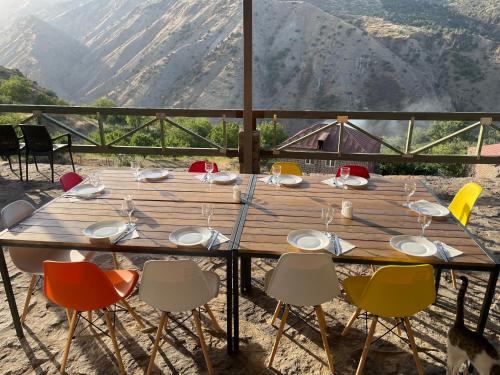
Private outdoor areas multiply the appeal of self-catering stays in Garni. Gardens, terraces and balconies become mini-extensions of indoor living—places for morning coffee, simple alfresco meals, or an evening glass of Armenian fruit brandy while watching the sunset over the gorge. Cottages with enclosed gardens provide children and pets a secure place to play and allow guests to dry laundry or grow small herb pots. Terraces facing the hills or the Temple offer scenic vantage points and quiet spots for reading, while small balconies attached to village apartments are ideal for compact breakfasts and people-watching near the center. Seasonal use matters: spring and summer maximize outdoor time with warm days and cool evenings, while autumn and winter require checking heating and shelter options close to any outdoor seating to extend usability.
When picking a rental, ask specific questions about outdoor furniture, shade options, and privacy. Some terraces come furnished with a table and chairs or a simple grill for casual cooking, whereas other spaces may be bare and need guests to bring cushions or a lightweight blanket for comfort. Hosts usually state whether gardens are enclosed—important for pet owners and families—and whether outdoor lights or heating are available for cooler evenings. Safety is also worth confirming: railings on balconies, secure gates on gardens, and flat surfaces for toddlers reduce risk. Thoughtful outdoor spaces can elevate a self-catered stay from merely practical to delightfully relaxing, providing flexible rooms that adapt to meals, playtime, and downtime.
Safety First: Expected Safety Features and Guest Responsibilities
Safety features in self-catering rentals vary but certain basics are common and should be verified before arrival. Secure locks on external doors and windows are the minimum expectation, and many hosts include clear instructions for locking up. Smoke detectors and a basic fire extinguisher are sensible inclusions; while not every rural unit may advertise a fully stocked first-aid kit, hosts often provide a small kit or can point guests toward the nearest pharmacy. Communicating emergency contact numbers and a concise set of instructions for gas or electric circuit breakers is practical, particularly where heating systems or individual water heaters are used. Property lighting—external lights for the path or outdoor areas—adds a layer of safety for late returns from local dinners or visits to the Temple at dusk.
Guests share responsibility for safe use of facilities. When cooking, ensure good ventilation and follow host guidance on appliance operation; charcoal or portable grills require extra caution and are sometimes restricted, so check house rules. For families, childproofing items such as outlet covers or cabinet locks may be requested in advance; many hosts can supply these or recommend compatible options. In remote cottages, keep a basic torch and a charged phone handy in case of brief power interruptions. Lastly, review the host’s emergency procedures and local emergency numbers, and save directions to the nearest clinic or pharmacy—simple preparation reduces stress and ensures a safer, more relaxed self-catered experience.
Getting Around: Public Transport Links, Day Trippers and Car Practicalities
Garni sits conveniently close to the main route linking the village with Yerevan and surrounding sites, which makes public transport a practical option for many visitors. Regular minibuses (marshrutkas) and buses run between Garni and Yerevan, with stops near the village center; frequency increases during daytime hours and drops off in the evening, so plan return trips accordingly. For day trips to Garni Gorge and Garni Temple, public transport drops travellers close enough for a short walk, but checking timetables or asking the host about local schedules prevents long waits. Taxi services and local drivers are also available for flexible itineraries and can be arranged for airport transfers or customised sightseeing; rates are usually negotiable, and hosts often recommend trusted drivers.
Driving offers greater flexibility for exploring surrounding areas and carrying groceries or picnic gear. Many self-catering properties note parking availability—on-site, adjacent, or street parking—and whether spaces are free or metered. Narrow village lanes and occasional livestock on rural roads call for attentive driving, especially when navigating to remote cottages. For travellers renting cars, confirm directions and any specific instructions for access, because some properties have gates or unpaved access roads that are tricky in wet weather. If arriving with a rental vehicle, ask the host about secure overnight parking and whether snow chains or winter tyres are recommended in cooler months. Combining public transport for short hops with occasional car hires for longer day trips gives a flexible approach to getting around from a self-catered base.
Where to Stock Up: Garni Markets, Mini‑marts and Fresh Ingredients Nearby
Garni’s local markets and small grocery shops shape the culinary rhythm of a self‑catered stay. Early mornings are prime time: bakers bring out lavash, loaves and sweet pastries, while market stalls display seasonal vegetables and fruits—tomatoes, cucumbers, peppers, apples and apricots when in season—and dairy staples such as fresh yoghurt and salty white cheese that anchor many Armenian dishes. Mini‑marts around the village center supply packaged staples like rice, pasta, canned goods, cooking oil and tea, making them a reliable fallback for travellers arriving after market hours. For those keen on more variety, larger supermarkets along the route toward the main road to Yerevan stock imported pantry items, condiments and larger packs of essentials. Locals are accustomed to helping visitors select ripe produce; a quick question about peak ripeness will usually result in vendors handing over the best picks for immediate consumption.
Practical shopping rhythms help self‑catering guests plan meals and reduce wasted food. Many small shops observe village opening patterns—early morning, sometimes a mid‑day pause, then evening hours—so checking opening times or asking the host for the nearest store that stays open later avoids last‑minute scrambles. Market purchases pack neatly for picnics to take to Garni Gorge or the Temple: sturdy breads, fresh cheese, seasonal fruit and bottled water make an easy, tasty spread. Bringing a reusable bag and small cooler or insulated tote preserves freshness on hotter days and helps minimise single‑use packaging. Finally, for travellers who want local flavour without extensive cooking, look for deli counters or vendors selling ready‑made salads or grilled items that can be combined with market bread and cheeses for a simple, satisfying meal at a rental.
Easy Meal Nights: Nearby Dining, Takeaways and When to Ask for Help
Even committed cooks appreciate an easy night out. Garni’s village eateries and family‑run kitchens serve approachable Armenian cuisine—hearty soups, stews, grilled meats and fresh salads—often at modest prices that make dining out an attractive occasional option. Many places are used to pickup orders; a quick call or message (often via mobile number provided in the listing) lets guests arrange a pickup time that fits travel plans. When ordering for a rental, specify whether the food should be packed for transport and confirm pickup instructions to avoid holding up the kitchen or waiting in the street. Cash remains common, so carrying local currency smooths transactions, though busier spots along the main road sometimes accept card payments.
A hybrid approach—one night out, two nights cooking—keeps the self‑catering groove fresh. Choose a single cooked dish to pair with a market salad or warm bread from the bakery; leftovers make convenient lunches or picnic items for day trips. Hosts often know which eateries prepare generous portions or which chefs can pack takeaway meals suitable for travel. For late arrivals, ask hosts in advance about options for ordering in or collecting pre‑prepared meals; many hosts will share contact numbers or even place a call on a guest’s behalf to smooth logistics. This mix-and-match strategy helps keep grocery shopping economical, provides a taste of local food culture, and frees up time for evening walks around the village or stargazing near the gorge.
Laundry and Practical Washing Facilities for Longer Stays
Laundry arrangements vary across Garni’s self‑catered properties, and understanding the options helps longer stays feel more manageable. Many rentals advertise an in‑unit washing machine—an obvious benefit for families or travellers staying a week or more—while others rely on shared laundry facilities in a neighbouring building or local laundromats in nearby towns for bulk washing. Hosts typically note whether detergent is provided; when it isn’t, a quick trip to a mini‑mart will solve the issue. Drying setups range from outdoor clotheslines in gardens to indoor drying racks; in sunnier months air‑drying in the fresh mountain air is effective, while cooler seasons may require indoor solutions or electric dryers where offered.
Specifics about machines and instructions are helpful to confirm before arrival. Washing machines in rural rentals can vary by model and cycle times; ask about load sizes and whether a quick‑wash option is available for delicate clothing. For those with specialist garments, hand‑washing in a basin with a small amount of biodegradable detergent is often the simplest approach—many hosts can provide a basin or suggest local supplies. When using external laundromats, verify turnaround times and whether ironing is available as an add‑on service. Bringing a lightweight travel clothesline and a few clothespins can be a practical hedge against limited drying space, and packing a small travel‑size detergent helps avoid scrambling for specific brands in village stores.
Reliable Wi‑Fi, Mobile Coverage and Work‑Friendly Setups
Connectivity in Garni ranges with location: properties near the village center tend to have steadier wired internet or stronger mobile signals, while more secluded cottages might rely primarily on mobile data. Listings often state whether Wi‑Fi is included and sometimes reference typical speeds; for remote work or video conferencing, asking the host for a recent speed check or a screenshot of a speed test removes guesswork. Mobile coverage along main roads and near populated areas is generally reliable; purchasing a local SIM at arrival provides a flexible backup and stronger data when exploring outdoor sites like Garni Gorge or heading toward Yerevan.
Workspace considerations matter for those blending work with travel. Many rentals offer a table suitable for a laptop but not necessarily an ergonomic chair—packing a compact lumbar cushion can improve comfort for long sessions. Confirm outlet locations and whether USB chargers or extension leads are provided if multiple devices must be charged simultaneously. For redundancy, a portable battery pack keeps devices charged during power dips, and a pocket Wi‑Fi or portable hotspot can be useful if the rental’s connection is shared among several guests. Hosts are often willing to clarify peak‑time slowdowns and suggest the best hours for bandwidth‑heavy tasks.
Private Outdoor Spaces: Gardens, Terraces and Seasonal Use
Outdoor spaces are a standout reason to pick a cottage or apartment with a balcony in Garni. Gardens and terraces provide places to sip morning coffee, cook outdoors on a small grill where permitted, or spread a picnic while watching the valley light shift at dusk. Enclosed gardens are especially appealing for families and pet owners, offering a safe place for children or dogs to play; terraces facing the hills or Temple bring a scenic backdrop to relaxed evenings. Seasonal factors affect usability: late spring through early autumn maximises alfresco living, while colder months require confirmation of sheltered seating or nearby indoor alternatives to make outdoor areas comfortable.
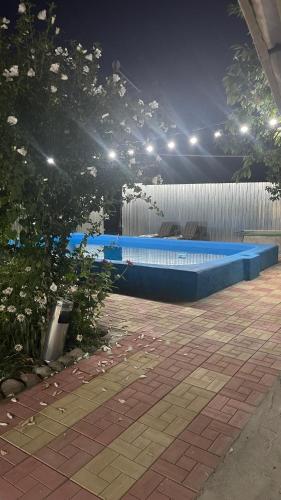
When comparing listings, ask about outdoor furniture, shade options such as umbrellas or awnings, and whether guests may use the outdoor space for cooking. Some terraces come fully furnished with tables and chairs, while other spaces are essentially blank slates that benefit from a quick cushion or picnic blanket. Safety details—railings on balconies, secure gates on garden perimeters, and flat surfaces for toddlers—are worth confirming for families. Hosts will usually note whether outdoor lighting is available for evening use; if not, a compact rechargeable lantern or string lights can make outdoor time cozier and more usable after sunset.
Safety First: Expected Safety Features and Guest Responsibilities
Safety basics in self‑catering rentals should be in place and easy to verify: secure door and window locks, at least one smoke detector, and clear instructions for any gas or electric heating controls. Not every rural unit will advertise a comprehensive first‑aid kit, but many hosts provide a modest kit or will point to the nearest pharmacy. Asking about emergency contact numbers and procedures, including the quickest route to medical care or a local clinic, helps reduce stress if an unexpected situation arises. Outdoor lighting for pathways and clear instructions for securing the property at night also contribute to a safer stay, especially for those returning late from local attractions.
Guest responsibilities matter too: following house rules about appliance use, waste disposal and outdoor fire or grill usage keeps both guests and properties safe. When cooking, ensure adequate ventilation and abide by any restrictions on open flames—some hosts restrict charcoal grills or ask that barbecues be used in designated spots. Families may request childproofing gear in advance—outlet covers, stair gates or cabinet locks—many hosts can supply these items or recommend local rental options. For remote cottages, packing a reliable torch and ensuring phones are charged provide simple but effective preparedness for brief power interruptions or late‑night walks.
Getting Around: Public Transport Links, Day Trippers and Car Practicalities
Garni’s proximity to the main road connecting to Yerevan gives visitors a range of transport choices. Regular minibuses and buses service the Garni–Yerevan route, with stops near the village center that make transfers to Garni Temple and Garni Gorge straightforward. Timetables are busiest during daylight hours and taper in the evening, so planning return journeys prevents being stranded; hosts are usually able to share the latest schedule updates. For flexible day trips, taxis and local drivers can be arranged for tailored itineraries, including airport transfers or longer excursions to cultural sites—rates are commonly negotiable and local recommendations help avoid overpaying.
Driving is the most flexible way to explore the surrounding region and carry picnic supplies or larger grocery hauls. Narrow lanes and occasional livestock along rural roads require cautious driving, and unpaved access to some cottages can be tricky in wet weather—confirm directions and parking details with the host. Properties typically outline nearby parking—on‑site, adjacent or street parking—and note any fees or restrictions. If renting a car, check whether snow chains or winter tyres are recommended for chillier months. Combining public transport for simple hops with rented cars for scenic day trips often gives the best balance of convenience and cost.
Family Friendly Self‑Catering Options and Child Amenities
Family travellers find self‑catering in Garni suits both convenience and budget. Larger cottages and multi‑room apartments offer separate sleeping areas and communal spaces for family meals, while hosts frequently list child‑friendly items such as travel cots, high chairs and extra bedding. Safety considerations—secure garden fences, stair gates, and non‑slippery flooring—are sometimes highlighted in listings; where not listed, guests can request temporary childproofing measures. The ability to prepare familiar meals, store snacks, and manage nap schedules makes self‑catering an appealing choice for families balancing sightseeing with routine.
Beyond the property, Garni’s outdoor sites provide child‑friendly day activities: easy walks in the gorge, picnics near the Temple and short cultural outings that keep energy levels in check. For longer stays, verify laundry frequency and the presence of a washing machine to reduce luggage bulk, and ask about local pharmacies or family doctors in case of minor ailments. Hosts often provide tips on nearby playgrounds, safe walking routes and family‑friendly eateries that offer simple, child‑approved meals—these local insights can make the difference between a good stay and a smooth, relaxed holiday for parents.
Pet Friendly Rentals and Bringing a Furry Companion
Bringing a pet to Garni is often feasible but requires advance planning. Many cottages and a selection of apartments accept pets, and hosts usually set out clear rules—leashed behaviour in shared spaces, extra cleaning fees or deposits, and whether pets are allowed on furniture. Enclosed gardens are a major plus for pet owners, providing safe outdoor time without constant supervision. Confirm specifics such as size or breed restrictions, and whether the host requires prior vaccination documentation or a refundable deposit to cover accidental damage.
Local services for pets are limited compared with larger cities, so travellers should research the nearest veterinary clinic and where to find pet supplies before arrival. Packing essentials—preferred food, bedding, medication and a familiar toy—helps pets settle quickly, and a sturdy travel crate or carrier assists with transport. When planning walks, stick to village lanes and marked trails; be mindful of livestock and local animals and practise good disposal of waste. Clear communication with the host about pet habits, expected noise and where pets will sleep reduces friction and helps ensure a welcome stay for both owners and their animals.
Booking Rhythm: Seasonal Patterns and Pricing Factors
Garni’s booking rhythms mirror the local climate and tourist flows. Peak demand generally coincides with warm months—late spring through early autumn—when outdoor sightseeing and hiking are most appealing, which pushes nightly rates up and reduces last‑minute availability. Shoulder seasons offer better value: cooler spring or early autumn weeks frequently bring lower rates and quieter trails while retaining pleasant daytime weather. Winter sees the quietest demand; some rentals lower prices but also note limitations such as shorter daylight hours, heating needs and occasional access issues on unpaved roads.
Pricing hinges on multiple amenity and practical factors: the quality and completeness of the kitchen, the presence of a garden or terrace, laundry facilities, reliable Wi‑Fi, proximity to Garni village center or the Temple, and whether the property is pet‑friendly or family‑oriented. Group size and length of stay influence nightly rates, with weekly or monthly discounts often available for extended bookings. Advance planning for high season, flexible dates in shoulder seasons and clear comparisons of amenity sets across listings help travellers secure better deals. Reading multiple recent reviews gives a realistic sense of value beyond advertised features.
Comfort Essentials: Heating, Insulation and Hot Water Systems
Comfort in Garni’s self‑catering properties is closely tied to heating and hot water arrangements, especially outside the warm months. Many cottages rely on individual heating systems—electric heaters, gas boilers or wood stoves—while apartments may connect to local district heating where available. Listings that detail heating type and whether hosts supply fuel or top‑ups offer greater clarity; guests should confirm how to operate heating controls and whether supplemental blankets or electric heaters are available. Insulation quality in older rural buildings varies, so checking for double glazing or extra bedding in cooler months is wise.
Hot water systems also vary: some properties provide continuous hot water via a boiler, while others use instant water heaters that can limit simultaneous hot water usage. For families or groups, understanding hot‑water capacity prevents surprise cold showers after a full day of hiking. When booking in colder months, ask hosts about water pipes and freeze protection for early morning showers and whether supplementary heat sources are on hand. If reliance on fuel or wood is part of the heating setup, confirm supply arrangements to avoid unexpected costs or shortages during the stay.
Waste Management: Practical Waste Disposal and Recycling for Guests
Waste routines in Garni reflect village collection systems and often require guests to follow simple local rules. Hosts typically provide bins for general waste and explain collection days or drop‑off points; some properties encourage basic separation of recyclables like glass and plastic but may not offer a formal curbside recycling service. Bringing reusable containers and minimising single‑use packaging reduces waste volume and aligns with local practices where disposal infrastructure is modest. For food waste, composting options are sometimes explained by hosts, particularly in cottages with gardens where organic scraps can be disposed of responsibly.
Clear communication about waste expectations keeps guest stays smooth. Ask hosts where to leave bins for collection, whether there are specific bag types required by the village, and whether any hazardous items (batteries, sharp objects) need special handling. For longer stays, locate the nearest waste disposal point or recycling centre and plan trips accordingly. A small set of reusable storage containers and beeswax wraps can cut down on disposable film and bags, making picnics and packed lunches tidier and reducing the volume of waste generated during a self‑catered visit.
Flexible Check‑In/Out Options for Independent Travelers
Self‑catered travellers value flexible arrival and departure arrangements, and many Garni hosts accommodate a range of check‑in options. Keyboxes or lockboxes allow late arrivals without an in‑person greeting, while some hosts prefer to meet guests to hand over keys and provide a quick orientation to the property and systems. Remote check‑in via clear instructions and photos is increasingly common; it works well for those arriving on late buses or driving in after dark. When choosing a listing, confirm the check‑in window, any additional fees for late arrivals, and the exact location of keyboxes or entrances to avoid confusion.
Communicate arrival time and means of transport before arrival to ensure smooth handovers. For early check‑ins or late check‑outs, hosts may offer flexible timing when the calendar allows—especially outside high season—but confirm in writing to avoid misunderstandings. If a host meets guests in person, ask about parking directions or the best drop‑off point, and request a brief run‑through of essential systems (heating, hot water, Wi‑Fi) to reduce first‑hour fumbling. Clear pre‑arrival communication about luggage storage options can also help when arriving before the property is ready for standard check‑in.
Accessibility Considerations for Inclusive Self‑Catering Stays
Accessibility features vary across Garni’s rental stock, but workable options exist for travellers with mobility needs. Single‑level cottages and ground‑floor apartments are the most straightforward choices, often noted in listings with details on step‑free access, door widths and bathroom layouts. Ramps or shallow thresholds are sometimes available for properties near the village center, and hosts who specialise in accessible stays will usually list specifics such as grab rails, roll‑in showers or step‑free entrances. When accessibility is a requirement, direct questions about measurements, the number of steps, and the presence of any narrow corridors or raised thresholds are essential to avoid unwelcome surprises on arrival.
Beyond the property itself, consider accessible routes to local points of interest. The path to Garni Temple and walks around parts of the gorge include uneven terrain and stone steps in places; confirming the nearest accessible viewpoint or paved access routes helps plan outings. For mobility devices, check whether nearby parking is close to the property entrance and whether hosts can recommend routes that minimise steep gradients. Many hosts are responsive to detailed accessibility requests and can provide photos, video walkthroughs or third‑party recommendations to ensure a comfortable, practical stay.
Practical Kitchen Inventory Checklist for a Smooth Stay
A clear kitchen inventory can make or break a self‑catered stay. Essential items to confirm include a functional stove and oven (or sufficient hotplates), a refrigerator with freezer space, basic cookware (saucepan, frying pan, baking dish), a good set of knives, cutting board, measuring cups/spoons, mixing bowl and a colander. Tableware—plates, bowls, cutlery and glasses—should match the guest count, and useful small appliances include a kettle, coffee maker or French press, toaster and a basic blender if smoothies or purees are planned. Cleaning supplies—dish soap, a sponge, tea towels and a drying rack—are everyday necessities that many hosts provide but are worth checking in advance.
Small extras elevate the cooking experience: a sharp chef’s knife, a sturdy roasting tray, a wooden spoon, oven mitts, storage containers for leftovers and basic condiments like salt, pepper and cooking oil. For groups or longer stays, request details about available cookware sizes and whether extra plates or serving bowls exist. Packing a few travel staples—a small spice kit, a foldable chopping board and a compact set of utensils—can save time and stress if the listing is minimal. Asking for a photographed or written inventory before booking reduces the chance of surprises and helps plan meals and shopping lists efficiently.
Local Experiences and Day Trips from a Self‑Catering Base
Garni makes a lively base for a variety of day trips and local experiences that pair well with self‑catering. The striking basalt formations and walking routes of Garni Gorge invite morning hikes that end with a picnic of market bread, cheese and fruit. A short trip brings visitors to Garni Temple—an evocative classical structure—where timing a visit for early morning or late afternoon light enhances photos and crowds are thinner. Nearby cultural sites and small museums in the surrounding region offer quick half‑day excursions, while guided walks and local food experiences can be booked through host recommendations or village contacts.
Self‑catering enhances day‑trip flexibility: pack lunches from the rental using market ingredients, bring water and comfortable footwear, and return to cook a fresh dinner with produce bought during the day. Longer excursions toward Yerevan are easy to slot into a multi‑day itinerary, and combining a few guided tours with independent exploration of trails and village lanes gives a balanced experience. For outdoorsy travellers, ask hosts about lesser‑known viewpoints or quieter trailheads that avoid busier circuits; local advice often reveals peaceful picnic spots or sunrise vantage points that make a self‑catered stay feel genuinely local.
Guest Reviews and Rating Signals for Facilities and Amenities
Recent guest reviews are among the most reliable indicators of how well a self‑catered property delivers on promises. Look for clustered praise or criticism around key amenities: multiple mentions of a well‑stocked kitchen, dependable hot water, accurate Wi‑Fi speeds, consistent cleanliness and smooth check‑in point to trustworthy listings. Pay attention to how hosts respond to criticism—polite, timely and helpful replies indicate attentive management and a willingness to address issues. Photos from recent guests often reveal practical details not emphasised in listings, such as the true size of a fridge, outdoor furniture condition or the state of bathroom fixtures.
Review patterns matter more than single comments. A single negative remark about noise or a one‑off plumbing issue may be less concerning than repeated notes about unreliable heating or inconsistent Wi‑Fi. Filter reviews by travellers with similar needs—families, long‑stay guests or pet owners—to surface relevant signals. Ratings on cleanliness, accuracy of listing descriptions and value for money provide a quick snapshot, while specific remarks on check‑in ease, appliance operation and local recommendations give actionable insights for planning a smooth stay.
Legal and Practical Rules: Short‑Term Rental Regulations in Armenia and Garni
Short‑term rental regulations in Armenia require hosts to register properties and follow local taxation and safety rules; this affects how units are listed and the information hosts include for guests. Many responsible hosts note registration and compliance in their listings, and guests can ask for confirmation if documentation is a concern. Local ordinances occasionally influence noise restrictions, waste disposal practices and permitted use of outdoor grilling or gatherings—details that hosts typically outline in house rules. Awareness of these rules helps guests meet local expectations and avoid misunderstandings during stays.
Practical implications for guests include clear statements of responsibilities such as waste sorting, check‑in procedures and adherence to quiet hours. Hosts may require identity confirmation or a brief registration upon arrival as part of legal compliance; this is common and usually straightforward. When in doubt, request a short explanation of any house rules that seem unusual—such as limits on guest numbers or restricted hours for outdoor activity—so that planned group activities or events are not unexpectedly curtailed. Confirming such details before booking promotes a respectful, trouble‑free visit that aligns with community norms.
Energy and Utilities: What to Expect With Water and Power
Utilities in Garni are generally reliable but exhibit local variation. Many rentals have consistent water supply and standard hot‑water systems; however, some remote cottages may use individual water heaters or tanks subject to capacity limits. For longer groups or back‑to‑back showers after outdoor excursions, ask about hot‑water capacity and whether staggered showering is advisable. Power supply is steady in most of the village, though occasional short outages can occur; properties that note backup solutions, such as gas or wood heaters or small generators, provide additional reassurance for stays in colder months.
Practical checks before arrival reduce surprises: confirm whether hot water runs continuously, whether heating consumes extra fuel that guests must top up, and whether any blackout procedures (flashlight location, phone charging) are recommended. For those planning to cook extensively, verify that electrical circuits support simultaneous appliance use or whether the host advises against running heavy appliances together. Hosts often provide straightforward tips for conserving utilities in ways that match local practices—small adjustments that keep costs down and ensure smoother operation of water and power systems during the stay.
How Amenities Drive Value: Pricing and What to Compare
Amenities heavily influence perceived value when comparing self‑catered properties in Garni. A well‑equipped kitchen, reliable Wi‑Fi, laundry facilities and a private garden or terrace typically command higher nightly rates, while simpler listings closer to the village center can offer savings with the trade‑off of smaller indoor space. Consider total costs beyond the nightly rate—cleaning fees, pet deposits, heating fuel charges and tourist taxes can add up. For groups or families, larger rentals with multiple bedrooms often reduce per‑person cost, while solo travellers may prefer smaller, central apartments that lower daily expenses.
When comparing listings, use a checklist approach: kitchen completeness, hot water reliability, laundry access, connectivity and outdoor space rank highly for self‑catered stays. Factor in convenience—proximity to the market and public transport—since saved taxi costs or the ability to walk to shops can shift the value equation. Seek recent reviews that corroborate advertised amenities; a lower price might hide missing essentials that create extra expense or inconvenience. Balancing amenity needs with budget realities helps pick a rental that feels like good value rather than a compromise.
Preparing for Arrival: What to Communicate With Hosts Before Check‑In
Clear pre‑arrival communication streamlines the first hours at a rental. Confirm the check‑in method and exact key location, provide an estimated arrival time and ask about parking or drop‑off directions. Request practical details such as Wi‑Fi password, heating instructions, hot‑water system quirks and any expected noise or local events affecting access. For families and pet owners, reiterate requests for cots, high chairs or pet‑friendly confirmations and enquire about nearby medical services or pharmacies for added peace of mind.
Also ask for a photographed or written inventory of kitchen basics and laundry amenities, and request clarification on waste disposal protocol and collection days. If arrival is late, ask for tips about nearby late‑open shops or takeaway options that can tide guests over. Simple, specific questions reduce first‑hour confusion and typically receive quick replies from attentive hosts—beneficial when time is limited after a long journey.
Special Stay Types: Long Stays, Group Rentals and Accessibility Needs
Long stays and group bookings change amenity priorities. Longer visits benefit from ample storage, reliable laundry, larger kitchen appliances and discounts for extended stays; hosts frequently offer weekly or monthly rates and can arrange periodic linen changes. Groups should prioritise properties with multiple bathrooms, communal living space and clear guidance on extra bedding or sofa beds. Accessibility needs call for verified measurements, step‑free access and clarified bathroom setups; requesting photos or video walkthroughs helps ensure the property meets specific mobility requirements.
When arranging special stays, communicate expected arrival times, number of guests and any specific needs early—this helps hosts prepare the right inventory and supplies. For long stays, discuss mid‑stay cleaning options or local service providers for maintenance tasks. Booking early for peak season ensures the right type of property is available, and for off‑season long stays hosts may be more flexible on price or add‑on services. Clear expectations and proactive dialogue make long or group stays simpler and more comfortable.
Smart Questions to Ask in a Booking Message
A concise set of questions in the booking message saves time and prevents surprises. Ask whether the kitchen includes an oven and full cookware set, whether hot water is continuous for multiple guests, and whether Wi‑Fi speed is sufficient for video calls. Confirm the check‑in process and exact key location, parking details, and whether pets are allowed if relevant. Inquire about laundry facilities, outdoor space privacy and safety features such as locks and smoke detectors.
Additional practical queries help tailor the stay: request recent photos of outdoor areas or the kitchen, ask about heating operation and any extra fuel costs, and verify rubbish disposal instructions and collection days. For groups or special‑need travellers, ask for measurements, step counts to entrances and whether hosts can provide childproofing items or accessibility aids. Clear, specific questions lead to quicker, more useful answers and a smoother arrival and stay.


 See all



 See all


 See all




 See all


 See all




 See all


 See all

