Why a Haghpat guest house feels like staying with friendly neighbors
Guest houses in Haghpat offer an up-close window into village life where hospitality is both personal and relaxed. These properties are commonly small, family-run homes or converted village houses where hosts live nearby and interactions feel naturally neighborly rather than transactional. For English-speaking travelers, that means frequent opportunities to practice simple Armenian phrases, learn about local customs over a cup of tea, and receive tailored tips for exploring nearby heritage sites like Haghpatavank. Expect straightforward room layouts typical of rural Armenian houses: compact sleeping spaces, functional furnishings, and communal areas where hosts may point out walking routes, recommend the best times to visit the monastery, or suggest a nearby snack. This intimacy creates a stay that centers people and place — a way to experience the rhythms of Haghpat’s daily life rather than the anonymity of larger lodgings.
Staying in a guest house here tends to favor travelers who enjoy cultural contact and quiet local character. Hosts often act as informal guides, offering contextual stories about the village, its architecture, and family histories that illuminate the stone-clad lanes and agricultural terraces visible from many guest house windows. Guest houses can vary from simple homestays to more intentionally run properties offering private rooms; both types emphasize human connection and local knowledge. For visitors prioritizing authenticity, a guest house in Haghpat is an ideal match: the cordial atmosphere, the ability to ask about less-traveled footpaths, and the sense of belonging to a small community for the duration of the stay are central draws. Those seeking more standardized or service-heavy lodging experiences may prefer other accommodation types, but anyone curious about rural Armenian hospitality will find guest houses especially rewarding.
Haghpat village essentials every guest house seeker should know
Haghpat is a compact village set in the Lori Province of northern Armenia, known foremost for the medieval Haghpat Monastery that perches above a river valley. For travelers choosing a guest house here, the village’s small size is an advantage: most services, viewpoints, and paths to the monastery are within easy walking range, though terrain can be sloping and uneven in places. The nearest larger town with expanded amenities is Alaverdi, which lies a short drive away and supplies more options for banking, shops, and transport connections. In practice, guest house guests should plan for a mixture of cash and card use — ATMs are more reliably found in Alaverdi and larger towns, so carrying some Armenian dram for village purchases, tips, and small-market goods is wise. Local markets and small shops typically stock fresh produce, dairy items, and simple staples; for more variety, a trip to a nearby town is straightforward by road.
Public transport options serving Haghpat are modest compared with urban centers. Minibuses and regional buses connect the village with Alaverdi and other Lori settlements, but schedules can be limited and subject to seasonal variations, so confirm timetables in advance when planning day trips. Road access is generally straightforward from surrounding hubs, though rural routes may be narrow and occasionally steep; drivers unfamiliar with mountain roads should allow extra travel time and check local weather conditions before setting out. Language-wise, Armenian is dominant in village conversation, and while some hosts and younger locals may speak Russian or limited English, learning a few basic Armenian phrases will be appreciated and helpful — greetings, expressions of thanks, and simple transactional words smooth many interactions. Seasonal climate plays a role in planning: summer brings pleasant daytime temperatures ideal for walking, while winters can be cold with shorter daylight hours and potential road impact. Those booking guest houses should account for these local realities when choosing travel dates and planning daily activities.
Meet Haghpatavank up close and how guest houses line the route
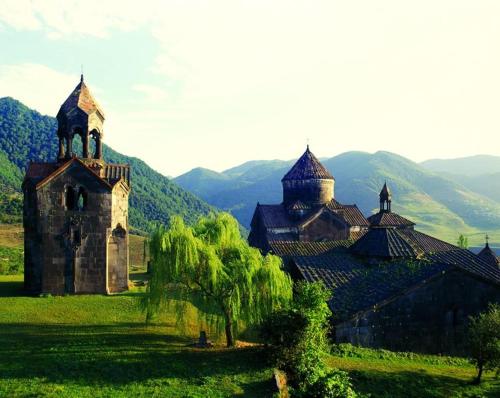
Haghpatavank, commonly called Haghpat Monastery, is the village’s anchor and primary reason many travelers choose to stay locally. The monastery complex dates from the 10th to 13th centuries and is admired for its stone masonry, domed churches, and the layered silhouette that sits dramatically above the Debed River valley. For guest house visitors, the monastery is rarely a distant day-trip — many guest houses sit within comfortable walking distance to arrival paths, allowing early-morning or late-afternoon visits when light and atmosphere are mellow. Typical arrival routes into the monastery area include short climbs and stepped paths, so guests should expect a modest amount of uphill walking from village lanes. Choosing a guest house near the main footpaths can shave minutes off each trip and make repeat visits throughout the day more appealing for photography or quieter reflection.
Timing and photography are big considerations for monastery visits and are useful points to raise with guest house hosts. Early mornings and late afternoons tend to offer softer light and fewer visitors, an attractive combination for those aiming to capture the site without crowds. There are several notable vantage points around the complex where the layered roofs and carved stone details silhouette against the valley; hosts familiar with these spots can point guests toward the best short routes and suggested times. The monastery’s compact layout invites leisurely exploration — narrow courtyards, small chapels, and exterior balconies provide varied perspectives for architecture enthusiasts. Many guest houses advertise walking distances to Haghpatavank in their descriptions and photos, so when booking, prioritize listings that state clear distances or walking times; that detail often indicates a host attuned to visitor needs and local logistics.
Sanahin and nearby day trips that pair well with Haghpat guest houses
Sanahin Monastery sits just a short drive or scenic walk from Haghpat and makes for a natural half-day or full-day excursion when based in a guest house. The twin complexes of Haghpat and Sanahin share similar medieval origins and complementary architectural flourishes, so visiting both in one outing yields a richer picture of Lori Province’s monastic heritage. From many guest houses, arranging transport to Sanahin is straightforward: hosts can advise on the best walking routes where terrain allows or suggest local drivers for a short hop. Time your visit to avoid midday glare for photography; the stone façades and carved crosses catch the late-afternoon light particularly well. For travelers who enjoy layering historical context onto their walks, Sanahin tends to feel quieter than Haghpat at certain hours, offering calm courtyards and a different cadence of visitor flow. Combining Sanahin with Haghpat in a single day creates a satisfying architectural comparison and lets guest house guests return in the afternoon for a slower village pace.
Beyond Sanahin, nearby destinations expand options for day trips without requiring a long drive. Alaverdi, the closest larger town, offers a compact urban contrast—street-level markets, a few cafes, and local life that reveals how regional trade and industry shaped the area. For visitors interested in combining nature and culture, minor detours toward surrounding hills deliver scenic overlooks, short vineyard-side strolls in season, and quiet rural lanes that show off local agriculture. Guest house hosts often have tried-and-true suggestions for looping day itineraries combining monuments, market stops, and simple picnic spots; asking about estimated walking times and terrain beforehand ensures comfortable pacing. When planning multi-site days, factor in transport windows and daylight hours—returning to a guest house before dusk leaves time for relaxed evening conversations with hosts and a chance to recap the day’s highlights.
Choosing a guest house by traveler type: budgets, solos, couples and families
Budget-minded travelers will find Haghpat guest houses especially appealing for their value and direct local connections. Many listings on Agoda present straightforward room options and honest descriptions, making it easier to choose a no-frills stay that prioritizes location and hospitality. For those watching costs, prioritize guest houses that explicitly list walking distance to Haghpatavank—shorter walks reduce transport expenses and allow more time for free exploration. Look for recent guest reviews that mention cleanliness, host helpfulness, and realistic photos; these cues often matter more than glossy descriptions. When booking, use filters for price range and scan for comments about group or family rates if travelling with companions. Staying slightly off the busiest footpaths can shave a bit off rates while still keeping the monastery within easy reach, and many budget guest houses still provide local tips that enhance the stay without extra cost.
Solo travelers should aim for guest houses that offer a warm, sociable vibe without compromising privacy. Profiles and reviews that highlight host hospitality, safe walking routes, and proximity to the monastery are valuable signals. Guest houses close to main lanes allow solo visitors to access village life at a comfortable pace and join small local outings or guided walks when desired. Choosing a host who speaks some English or Russian can smooth initial arrivals; however, even hosts with limited English typically communicate clearly through gestures and shared activities like tea or snack exchanges. Check reviews for mentions of other solo guests or communal dining experiences if social opportunities are a priority. For safety, favor listings with consistent, recent positive feedback and transparent cancellation policies on Agoda, and message hosts ahead to confirm arrival logistics.
Couples often appreciate guest houses that promise quiet vantage points and easy access to scenic walks, making early-morning visits to Haghpatavank or sunset strolls particularly pleasant. Look for listings that note valley or hillside views in their descriptions—these visual details, mentioned by previous guests, indicate spots where simple moments feel memorable. Couples prioritizing intimacy should read reviews for notes on nighttime quiet and privacy, and can ask hosts via Agoda messaging about the best local walking routes for two. For families, guest houses with flexible sleeping arrangements and clear statements about room layout are preferable; reviews that mention child-friendly hosts, safe paths to the monastery, and local food options geared to children are particularly helpful. When booking families, communicate ages and needs upfront so hosts can advise on stairs, evening routines, and suggested short activities near the guest house.
Local homestays and traditional Armenian guest houses explained
Traditional Armenian guest houses in Haghpat vary from family-run homestays to properties focused specifically on visitors, but all tend to share an emphasis on local architecture and personal hospitality. Many homestays are adapted from older village houses and retain features such as compact room layouts, thick stone walls that moderate temperature, and communal living spaces where conversations occur naturally. Descriptions on Agoda often indicate whether a property is a family home or a small guest house; checking those cues helps set expectations about privacy, interaction levels, and the likelihood of sharing mealtimes with hosts. Cultural etiquette in homestays favors warm but respectful engagement: guests are usually welcomed with simple refreshments, offered local knowledge, and given guidance on walking routes and timing for monastery visits. Hosts generally appreciate short Armenian phrases—simple greetings and expressions of thanks go a long way—and are comfortable helping non-Armenian speakers with directions and practical arrangements.
Check-in and check-out customs in local homestays are often flexible but worth clarifying in advance. Many hosts will accommodate arrival time variations if notified through Agoda messages, and typical rural routines might mean quieter mornings or late afternoons better suited for arrivals. Payment norms can vary; some hosts accept card payments while others prefer cash in Armenian dram, so confirming payment method ahead reduces friction. Tipping is not a rigid custom, but small gestures of thanks—especially after helpful local advice or an arranged outing—are welcomed. While hosts may share simple home-cooked dishes on request, guests should not expect structured meal services unless specifically offered in a listing’s description. Reading recent guest accounts and messaging hosts with direct questions about customs and expected interaction helps match expectations and ensures a respectful, comfortable homestay experience.
Practical booking advice for Haghpat guest houses on Agoda
When scanning Agoda listings for Haghpat guest houses, prioritize recent, detailed reviews and clear photos that show both rooms and the surrounding area. Listings that note walking distances to Haghpatavank or provide approximate walking times give a practical sense of location; those that list local landmarks or nearby paths tend to be run by hosts who know visitor needs. Use filters for traveler type—family-friendly, solo-friendly, or budget—to narrow options, and read host replies to review questions as an indicator of responsiveness. Pay special attention to cancellation terms and seasonal availability notes: many rural guest houses operate on limited schedules during winter months, so confirming dates and arrival windows avoids surprises. When in doubt, message hosts via Agoda to ask about arrival logistics, language support, and any special needs such as mobility considerations.
Photographs and descriptions can be intentionally selective, so cross-check visual cues against reviews for accuracy. Search for clusters of recent comments mentioning access (stairs, uphill walks), noise levels, and proximity to the monastery; these patterns are more informative than isolated praises or criticisms. For families and seniors, query hosts about stair access and any steep outdoor paths near the property—many older houses have internal steps typical of traditional layouts. Book with an eye to daylight for arrival and departure: rural check-in may be easiest during daylight hours when hosts and local shops are active. Finally, use Agoda’s messaging to confirm practicalities like where to meet a host on arrival and whether a local driver can be arranged, ensuring smoother first steps into village life.
Reading reviews smartly to pick the right Haghpat guest house
Not all reviews carry equal weight; focus on recurring themes rather than single comments. Start by scanning recent reviews for mentions of host helpfulness, accuracy of location, and cleanliness—these three elements frequently determine guest satisfaction in small village properties. Look for specifics such as reported walking times to Haghpatavank, notes on noise during evenings, and any tips previous guests shared about local shops or cash availability. Reviews that include photos of views or approach paths are particularly valuable because they show the actual terrain and surroundings rather than staged interiors. Pay attention to whether multiple guests mention reliable arrival coordination; consistent praise in this area signals hosts who understand rural logistics and visitor timing.
Assess negative comments for patterns: a single complaint about a late-night dog or a one-off misunderstanding may be less significant than repeated mentions of steep steps, poor communication, or inaccurate location descriptions. When considering mixed feedback, prioritize issues that affect personal priorities—if mobility is a concern, repeated notes about stairs or uneven lanes should weigh heavily. For families, reviews that highlight safe walking routes and child-friendly hosts are golden; for solo travelers, look for comments that mention evening safety and chances to join local activities. Finally, use review timestamps to gauge consistency—properties with steady positive feedback over multiple seasons are likelier to provide predictable experiences than those with infrequent or outdated reviews.
Seasonal planning for Haghpat guest house stays
Seasons in Haghpat shape daily rhythms and access, so timing matters for guest house visitors. Summers tend to bring warm, pleasant days with crisp mornings perfect for extended walks and multiple monastery visits; these months are popular for photography and long daylight hours. Shoulder seasons—spring and early autumn—offer cooler weather, fewer crowds, and vivid landscapes as wildflowers or autumn tones highlight valleys and hillsides. Winters can be cold with limited daylight and occasional road issues; many rural guest houses scale back operations or modify arrival flexibility during snowy months. Booking in advance for peak months and checking seasonal notes on Agoda listings helps avoid closed windows or restricted host availability.
Packing and planning should reflect seasonal realities. During warmer months, lightweight layers, sun protection, and a reliable water bottle are essentials for monastery walks and scenic loops. In cooler months, thermal layers, waterproof outerwear, and good traction on footwear become more relevant—some village lanes and paths can feel slick after rain or frost. Confirm with hosts about road conditions if traveling in late autumn or winter and ask about recommended arrival times to minimize travel in low light. When planning around local events, check regional calendars for festivals or religious observances in the Lori area that may influence guest house availability or create lively local experiences worth timing a visit for.
Getting to Haghpat guest houses by bus and by road
Public transport to Haghpat typically links through nearby towns rather than direct long‑distance services; minibuses and regional buses run between Alaverdi and other Lori settlements, with connections timed around market days and commuter rhythms. Travelers arriving by bus from larger hubs should plan to change in Alaverdi or a neighboring town and confirm schedules in advance because frequency varies by season. Many minibuses gather at central stops in larger towns; asking station staff or checking local notice boards helps pinpoint departure times. For those relying on public transport, allow extra time for transfers and potential waits, and carry small change in Armenian dram — drivers and conductors often expect cash fares and can be less likely to accept cards.
Driving to Haghpat offers flexible timing and the chance to savor the countryside en route. Routes from regional centers follow winding but generally well‑marked roads; road quality may change once leaving major arteries, so expect narrower lanes and occasional steep sections as the route approaches Haghpat’s valley position. Navigation apps are useful but pair them with local directions when available, since village lanes and short-cut paths sometimes appear differently on maps. For drop‑offs, coordinate with hosts ahead of arrival through Agoda messaging to confirm the best meeting point in the village; many guest houses are on lanes where turning or standing temporarily might be awkward, so a clear rendezvous plan makes arrivals smoother. When driving in shoulder seasons, check weather forecasts and road reports to avoid surprise closures or difficult conditions.
Local foodways and where guest house guests eat like a local
Local food near Haghpat centers on fresh, regional ingredients and straightforward preparations that highlight Armenia’s savory and dairy traditions. Small village shops and market stalls sell seasonal produce, breads, local cheeses, and preserves, offering opportunities to assemble simple meals or picnic supplies for day trips. Sampling local flatbreads, fresh yogurt or matsun, and vegetable dishes prepared with regional herbs gives a comforting sense of place; many guest houses can point to the nearest shop or market where villagers buy staples. For travelers with dietary restrictions, the village’s food scene is adaptable—fresh fruit, grilled vegetables, and cheese‑based dishes are common, but confirming ingredients with hosts or sellers helps avoid unwanted surprises.
Guest house hosts and local kitchens often share food recommendations that lead to memorable, informal experiences—try locally made jams, traditional cheeses, or seasonal treats offered at small family tables. Hosts may suggest where to find hot bread or a simple pastry freshly prepared nearby, and a casual purchase from a market stand makes for a satisfying meal on the path to the monastery. Those wanting structured meals should look for listings on Agoda that explicitly describe dining options in their descriptions or message hosts to inquire about home‑prepared plates. Bringing along small tokens or expressing thanks in Armenian phrases is appreciated when offered local food, reinforcing friendly exchange and making food a core part of the cultural stay.
Nature walks, short hikes and peaceful viewpoints around Haghpat
Haghpat’s compact landscape invites short hikes and gentle walks directly from many guest houses; routes range from easy valley strolls to steeper terraces that reward walkers with sweeping views over the Debed valley and the monastery’s layered rooftops. Trail choices suit various fitness levels: relaxed paths skirt village lanes and pass small fields and orchards, offering quiet observation of rural life, while more strenuous climbs lead to ridgelines with panoramic vistas ideal for sunrise or late‑afternoon photos. Guests keen on photography should time outings for soft light around dawn or dusk when stone textures and valley shadows create compelling contrasts. Hosts often mark preferred walking loops on paper maps or with verbal directions, and many short circuits take between 30 minutes and two hours depending on pace and chosen viewpoints.
Safety and preparedness matter even on short walks: wear sturdy shoes appropriate for uneven lanes, carry water, and be mindful of changing weather in higher elevations. Some trails cross private land or grazing areas, so sticking to visible paths and asking hosts about seasonal closures helps maintain good relations with locals. For nature enthusiasts interested in flora and birds, spring brings wildflowers and heightened bird activity while autumn paints the hillsides in warm tones—both seasons suit contemplative walks that pair well with midday monastery returns. Clear wayfinding can be sparse outside the village core, so taking a photo of key turning points or downloading an offline map before setting off reduces the chance of getting lost.
Cultural etiquette and guest house manners in Haghpat
Respectful behavior in Haghpat guest houses centers on simpleCourtesy and awareness of local customs. A warm greeting using basic Armenian phrases like barev (hello) and shnorhakalutyun (thank you) is valued and signals goodwill; hosts appreciate polite, attentive guests who honor household rhythms and ask permission before taking photos of private spaces or family members. Modest dress is customary when visiting religious sites—clothing that covers shoulders and knees is appropriate for both men and women, and speaking softly in monastery courtyards shows respect for sacred spaces. In homestays, small gestures such as removing shoes on entry where common practice exists, asking about meal times, and following laid‑out routines for communal areas help maintain harmony.
Participation in local life is welcomed but should be guided by sensitivity: offer thanks for any hospitality, decline offers politely if needed, and accept invitations to observe rather than impose on household activities. Tipping is not a strict obligation but small tokens of appreciation—whether a modest tip in dram or a thoughtful thank‑you note—are well received. Responsible behavior also means observing quiet hours, respecting private property, and avoiding loud group conduct that could disrupt village life. When in doubt, a brief message via Agoda or a polite question at check‑in clarifies expectations and helps align guest behavior with host customs.
Health, safety and accessibility for rural guest house stays
Health preparation for a Haghpat stay includes basic first‑aid supplies and any regular medications, since medical facilities in the immediate village are limited; Alaverdi and larger towns host more comprehensive services. Carrying bottled water for walks, sunscreen, and blister care for longer hikes keeps common issues manageable. For minor injuries, hosts and neighbors are often quick to assist and can advise on the nearest pharmacy or clinic; confirming emergency contact details with hosts at arrival adds an extra layer of preparedness. Seasonal weather can affect conditions—icy patches or muddy lanes after rain make suitable footwear essential and travel plans may need flexibility during winter months when roads can be slower to traverse.
Accessibility is a practical concern in traditional guest houses where narrow stairs, uneven floors, and terraced approaches are common. Older travelers or guests with mobility issues should request specific details from hosts via Agoda before booking—for example, the number of steps to the main sleeping area or presence of handrails. Many guest houses can offer helpful workarounds such as ground‑floor rooms when available, but availability varies. Safe walking routes to the monastery and clear arrival instructions are particularly helpful for those with mobility constraints; hosts who respond promptly in the booking phase are a good sign that arrival and in‑stay needs can be coordinated responsibly.
What to pack for a night or week in a Haghpat guest house
Packing for Haghpat blends practical essentials with items that smooth life in a simple village home. Layered clothing suits variable mountain weather—light shirts for warm afternoons, a warmer mid‑layer for mornings and evenings, and a lightweight waterproof for unexpected rain. Sturdy, broken‑in walking shoes or boots are essential for lanes and short hikes; a small daypack, reusable water bottle, and basic snacks will make monastery visits and short nature loops comfortable. Personal items like preferred toiletries, any specialist medications, and a compact first‑aid kit avoid dependency on limited local supplies. A camera with spare batteries or charger is useful for Haghpatavank photography, and a portable charger can be handy if charging options are limited.
Practical extras include a photocopy of booking details and a printed note of host contact information in case mobile network coverage is patchy. Currency in Armenian dram is important for small purchases and market stalls, so carry some cash while keeping cards for use in Alaverdi or larger centers. For cultural visits, pack modest clothing for monastery entry and a small scarf that can double for sun protection or modesty when needed. Reusable shopping bag and a small flashlight for modest evening walks add convenience; when staying multiple nights, lightweight laundry options like a travel sink soap and a clothesline clip set are useful for refreshing garments between longer trips.
Local guides, tours and experiences that complement a guest house stay
Local guides enhance understanding of Haghpat’s medieval architecture, regional history, and village stories that often remain unseen by casual visitors. Guides typically lead focused monastery walks, explain carved inscriptions and architectural details, and point out viewpoints that bring Haghpatavank’s layout into clearer context. Some experiences blend history with local life—walks that include visits to small workshops, short stops at neighborhood viewpoints, or guided routes to Sanahin—offering layered perspectives suited to history buffs and curious explorers. Asking a guest house host for recommendations is a practical first step; hosts frequently know reliable local guides or can suggest timeframes and routes that match traveler interests.
When selecting a guide or small tour, look for those who emphasize local knowledge, clear communication in English or a shared language, and respectful interaction with cultural sites. Tours can range from one‑hour focused walks to half‑day excursions combining both Haghpat and Sanahin, and pricing and style vary—confirm route details, expected walking difficulty, and start times before booking. For more immersive experiences, inquire about short cultural demonstrations or informal talks with elder residents who remember village stories and traditions; these personal encounters often become memorable highlights of a guest house stay and support local livelihoods through modest paid time or tips.
Crafts, souvenirs and small businesses near Haghpat guest houses
Local crafts around Haghpat reflect regional traditions and practical artisan skills—handmade textiles, simple woodwork, and small devotional items are commonly found in village markets and nearby craft stalls. Purchasing locally made goods supports artisans and keeps money circulating within the community; when considering souvenirs, aim for items that are lightweight and easy to transport by road. Prices are often negotiable in small stalls, but polite haggling and an awareness of fair value help maintain good relations—asking about materials, origin, and maker stories adds meaning to purchases and deepens cultural exchange. Hosts can often point to trustworthy sellers or cooperatives where proceeds more directly benefit small producers.
Respectful purchasing means checking whether items are locally made or brought in from elsewhere; choosing authentic local products helps sustain traditional crafts and families. For fragile items, discuss packing options or request extra wrapping if planning to transport purchases on a long drive. Small food souvenirs such as preserved jams or dried fruit are practical options that offer a taste of the region to bring home; confirm shelf life and packing recommendations with sellers. Supporting small businesses extends beyond buying—visiting workshops, asking about craft techniques, and leaving appreciative reviews on Agoda or other platforms encourages continued cultural exchange and helps others discover genuine local vendors.
Family-friendly rhythms and child considerations for Haghpat guest houses
Families staying in Haghpat guest houses benefit from planning around village rhythms and practical safety measures. Many guest houses describe room layouts on Agoda and reviewers often note child‑friendliness—look for comments about flexible sleeping arrangements, quiet evenings, and hosts who offer simple child‑pleasing snacks or local treats. Paths to the monastery and village lanes are generally safe for children when supervised, but families should be mindful of steps, uneven surfaces, and short steep stretches. Packing small items like familiar snacks, a basic kids’ first‑aid kit, and comfortable day shoes makes daily outings easier. Hosts can advise on gentle walking routes and nearby spots for short play breaks that feel contained and secure for younger children.
Meal planning for families often involves a mix of small village purchases and simple shared meals; communicate dietary needs when booking and ask hosts for quick suggestions on child‑friendly options in the village or nearby towns. For those traveling with infants or toddlers, request details about room layouts and bed arrangements before arrival to ensure safe sleeping setups. Evening routines in the village can start early, so planning quieter activities or packing familiar bedtime comforts helps children adapt. Reading recent family reviews on Agoda provides practical insight into other families’ experiences and flags any logistics—such as stair counts or evening noise—that might affect comfort.
Solo traveler safety and social tips for choosing a Haghpat guest house
Solo travelers should prioritize responsiveness and clear communication when picking a guest house; hosts who reply promptly on Agoda and provide detailed arrival instructions signal helpfulness and local knowledge. Choosing a guest house near main lanes or within easy walking distance of the monastery reduces night‑time navigation and gives access to village life without long backtracks. Reading reviews for mentions of other solo guests, communal mealtimes, or host sociality helps identify spots where meeting fellow travelers or engaging with hosts feels natural. For added reassurance, share arrival plans with friends and keep host contact details handy; local cafes or shops in the village make for friendly daytime meeting points if someone wants company.
Social opportunities may include joining short guided walks arranged by hosts or attending small village gatherings when appropriate; expressing interest in local stories often leads to natural conversation with hosts and neighbors. Solo travelers should keep basic safety practices in mind—carry cash, have a charged phone, and know the nearest town with expanded services. When exploring nearby sights, consider arranging guided half‑day trips rather than going alone on unfamiliar trails, especially if unfamiliar with local signage or seasonal conditions. Clear, polite communication in the booking stage reduces uncertainty and helps ensure a welcoming solo stay.
Couples looking for peaceful stays and scenic views from guest houses
Couples seeking tranquil moments in Haghpat often look for guest houses that emphasize peaceful surroundings and access to scenic viewpoints rather than bustling central lanes. Listings that mention valley or hillside views—and reviews that praise sunset or sunrise vistas—are strong indicators of the kind of quiet, visually rewarding stay many couples appreciate. Simple shared walks to nearby overlooks, early morning monastery visits to catch soft light, and quiet village lanes create natural opportunities for intimate, unhurried time together. Couples should read reviews for notes on evening quiet and privacy and use Agoda messaging to ask hosts about recommended sunset spots or shorter walking circuits suited to two.
Timing plays a role in maximizing mood: shoulder seasons often provide softer daylight and fewer visitors, which enhances the sense of solitude at monument viewpoints and on village paths. Couples who favor photography or slow meandering can request hosts’ suggested vantage points and plan brief picnic breaks near the monastery or along terrace paths. When booking, asking about quiet hours and typical guesthouse rhythms helps align expectations for nighttime noise and privacy, ensuring that a stay leans into calm and scenic charm rather than village bustle.
Responsible travel and how guest house choices affect local communities
Choosing a local guest house in Haghpat directs tourism revenue into village hands more directly than external operators, helping sustain family livelihoods and encouraging upkeep of traditional homes. Small, respectful bookings support hosts who reinvest locally—through food purchases, small repairs, or craft supplies—thus creating a positive ripple effect in the community. Travelers can amplify that impact by buying local produce, visiting nearby craft stalls, tipping thoughtfully in dram, and leaving honest reviews that help future guests find authentic options. Mindful behavior—staying on marked paths, observing quiet hours, and following monastery protocols—preserves the village’s character and reduces strain on everyday life.
Responsible travel also includes cultural sensitivity: learning a few Armenian phrases, dressing modestly for sacred sites, and asking permission before photographing people or private spaces show respect and foster warm exchange. Choose activities that prioritize local providers—guides, artisans, and family‑run businesses—so economic benefits remain community‑based. When leaving feedback on Agoda, highlight examples of considerate hosting or positive local initiatives to reward responsible practices; such signals encourage hosts to continue offering local experiences and help other travelers choose community‑friendly options.
Listing optimization tips for hosts and what to expect on Agoda photos and descriptions
Creating honest, clear listings attracts guests seeking genuine village stays. High‑quality photos of arrival paths, room layouts, and nearby views reduce mismatched expectations and cut down on last‑minute queries—images that show walking routes and visible landmarks help travelers gauge terrain. Descriptions should state walking times to Haghpatavank, number of steps to reach rooms if applicable, and whether the property operates seasonally, helping guests make informed choices. Highlighting host responsiveness and local recommendations in descriptions appeals to travelers looking for a personable experience while accurate mention of language abilities (Armenian, Russian, English) helps set expectations.
Hosts should keep calendars updated and respond quickly to guest queries on Agoda; timely replies are a strong signal of reliability for rural arrivals. Including practical notes—preferred meeting points, payment preferences, and mobility considerations—reduces confusion and improves guest satisfaction. Encourage guests to leave detailed, recent reviews and consider asking for permission to use guest photos in the listing to showcase authentic experiences. Clear, honest communication before arrival builds trust and results in better matches between traveler expectations and the realities of a traditional Haghpat guest house.
How reviews and ratings shape guest house choices in Haghpat
Reviews in small village settings often reveal far more than star ratings: they document host helpfulness, access realities, and the consistency of arrival logistics—three factors that strongly influence guest satisfaction. Frequent, recent reviews that describe walking distances, noise levels, and the host’s language ability give prospective guests practical information for decision‑making. Patterns matter: repeated praise for punctual communication and accurate location descriptions suggests dependable hosts, while recurring complaints about steep access or misaligned expectations indicate practical drawbacks to weigh carefully. For travelers seeking quiet nights or family‑friendly accommodations, targeted review searches for these topics surface the best matches.
Ratings also affect visibility on booking platforms; consistent, accurate reviews encourage more bookings from like‑minded travelers and create clearer expectations for future guests. When evaluating mixed feedback, give more weight to recent comments and to reviewers who provide contextual details—photos, route descriptions, or mention of guest demographics (families, couples, solo travelers). Leaving thoughtful, specific reviews as a guest helps the whole community by improving listing accuracy and guiding both hosts and future visitors toward better experiences.
Overnight rhythms and small customs to expect during a Haghpat stay
Village life in Haghpat follows gentle rhythms: mornings often begin early with activity around household chores and market errands, while evenings tend to quiet as residents settle in. Guest houses mirror these patterns—breakfast may be served at times that suit local routines and hosts often recommend early starts for monastery visits to catch soft light. Respecting local quiet hours and asking about preferred mealtimes helps avoid awkward timing conflicts; a brief message in advance via Agoda usually clarifies expectations. Many guest houses prefer daytime arrivals when neighbors and hosts are most active, so arranging arrival windows ahead of time reduces stress for both parties.
Small customs shape daily interactions—knocking before entering private rooms or asking before photographing family spaces are polite practices that fit village etiquette. When neighbors gather for conversation in shared courtyards or on benches, listening with interest and participating respectfully if invited creates warm exchanges. If staying overnight during regional events or religious observances, note that schedules might differ from usual routines and hosts can advise on appropriate dress or participation levels. Observing these understated customs keeps a stay harmonious and deepens appreciation for local daily life.
Money matters and communication tips for guest house visitors
Carrying Armenian dram is practical for village purchases, small market stalls, and tips; ATMs and card acceptance are more reliable in Alaverdi and larger towns, so withdrawing some cash before village arrival is recommended. Ask hosts about payment preferences via Agoda messages—some accept cards while others prefer cash—and clarify whether a deposit is needed to secure a booking. Small bills and coins are useful for everyday transactions and for offering modest tips in local currency. When budgeting, factor in potential costs for short local transport to nearby sights like Sanahin or Alaverdi and small purchases at craft stalls.
Communication is smoother with a few basic Armenian phrases and clear logistics in advance. Message hosts on Agoda to confirm arrival times, meeting points, and any last‑mile directions; screenshots of the guest house on a map app or a photo of the host’s home help ensure a smooth meetup. If language barriers appear, short written notes or translation apps bridge gaps—keeping phone numbers and a printed reservation note assists in low‑signal areas. Courtesy in communication, punctuality for arranged pick‑ups, and polite confirmation of any special requests enhance the check‑in experience and strengthen trust between guests and hosts.


 See all


 See all



 See all


 See all


 See all


 See all


 See all




 See all
