Family-Friendly Highlights around Haghpat Monastery
Haghpat Monastery (Haghpatavank) sits perched on a hillside overlooking a green river valley, and its compact layout makes it naturally suited to family exploration. The main complex features open courtyards, broad stone paved areas, and a series of short steps and ramps connecting chapels and outbuildings; these offer safe, contained spaces where children can wander a little while adults keep a close eye. The UNESCO designation for Haghpat and neighbouring Sanahin highlights the cultural importance of the architecture and carved khachkars (cross-stones), which can spark curiosity in kids and adults alike. For family visits, the monastery’s scale allows for short, manageable circuits that avoid long treks; families can plan a gentle visit around the central cathedral, the refectory, and the quieter courtyards, breaking frequently for water, storytelling, or sketching sessions. Not all surfaces are even, so choose slow, attentive walking and pick routes that follow the broader paved areas where possible.
Families often appreciate how easy it is to pair historical discovery with outdoor play near Haghpat: low walls and sheltered niches provide natural seating for grandparents and toddlers, while viewpoints close to the complex give wide-open vistas where children can safely observe the landscape. Many families turn the visit into a short educational activity—asking children to spot carved motifs, count dome shapes, or compare stone textures—making history tangible without formal lecture. Local signage around the complex tends to be informational rather than prescriptive; however, when touring, emphasize quiet zones and respectful behaviour near chapels. For those travelling with strollers, the monastery’s core areas are mostly accessible if the buggy is robust, but narrower thresholds and a handful of steeper steps mean a lightweight strategy—carrying smaller children over tight spots or using a compact carrier—can be helpful for certain stretches.
Short and Sweet Haghpat Hills Trails for Little Legs
The gentle hills surrounding Haghpat offer a selection of short loops and tucked-away paths perfect for families with little legs. Begin from the monastery square and take the nearby ridgeline trail that threads through low shrubs and occasional oak stands: these circuits typically range from 20 to 60 minutes walking time at a child-friendly pace and involve modest elevation change, so they are ideal for preschoolers up to older children. Surfaces vary from packed earth to small stones; in damp seasons, some sections may be slick, so sturdy shoes and a steady walking tempo work best. For families who enjoy playful learning on the move, turn a short hike into a scavenger hunt—list items such as a carved stone, a pink blossom, or a shepherd’s stick to find—keeping children engaged while reinforcing observational skills.
Another family-friendly option is the village-loop path that skirts agricultural terraces below the monastery. This route stays low on the hillside, offering gradual gradients suited to grandparents and toddlers in carriers or strollers with all-terrain wheels. Stops along the way often include small, shaded breaks near farmhouses where local villagers sometimes sell simple snacks—fresh fruit or locally baked flatbread—making for organic pause points. For families planning multiple short walks in a day, alternate steeper lookout climbs with flat valley strolls to balance energy levels: a brisk 30-minute ascent to a viewpoint followed by a relaxed 40-minute meander along the stream keeps momentum without overtaxing young hikers. Always bring water and small snacks, and allow flexible timing—children set the pace, so routes should be chosen with extra time for curiosity and rest.
Panoramic Viewpoints above Haghpat Village That Kids Will Love
A handful of viewpoints above Haghpat village reward short effort with spectacular panoramic scenes, and certain spots are especially kid-friendly because they offer level ground, railings, or nearby picnic-ready ledges. The closest viewpoint, reached within 10–20 minutes from the monastery square, provides an unobstructed panorama of the Debed River gorge and the patchwork fields of Lori Province. This spot is excellent for family photos—its gentle slope and open area make supervision straightforward and planting a small picnic blanket easy. Best times for photos are early morning or late afternoon when light softens the stonework and valley colours; these windows also tend to be cooler for children in summer.
A slightly higher vantage, accessed by a short switchback trail, adds wide-angle views and room for kids to move while still being easy on grandparents’ knees. This viewpoint features stepped terraces and naturally level plateaus where families often pause for a snack, binocular viewing, or simple nature games like cloud-counting or identifying roof shapes in the village below. For stroller users, choose lower viewpoints with gentler access tracks; steeper vantage points may require leaving buggies in a safe spot near the monastery and walking the final approach with older children. Weather can change quickly in mountain valleys, so pack a lightweight windbreaker for kids and plan photos around stable conditions.
Child-Safe Sightseeing Routes inside and around the Monastery Complex
Start with a gentle, step-by-step route that keeps safety and short attention spans front and center. Begin at the open courtyard nearest the monastery entrance where sightlines are wide and foot traffic tends to be light; this area is ideal for a quick orientation, letting younger children acclimatize to stone surfaces and older family members take in architectural details without rushing. Move next to the main cathedral courtyard using the broader paved walkways—these sections usually have fewer loose stones and fewer abrupt level changes, making them the preferred route for strollers that can handle rougher ground and for grandparents who benefit from steady footing. Plan frequent 5–10 minute pauses at sheltered niches or low walls that serve as natural benches; these micro-breaks reduce fatigue, give time for storytelling about carved khachkars, and create opportunities for quick snacks or hydration without disrupting the flow of the visit.
For families with mixed mobility, the second paragraph focuses on a loop that avoids narrow thresholds and steeper stair clusters. From the cathedral area, follow the path that skirts the eastern cloister toward the refectory, choosing ramps and gentler slopes where available. That route tends to keep the group at a comfortable elevation, with visual interest from carved reliefs and small chapels spaced at child-friendly intervals. When approaching sections with steps or uneven stone, designate one adult to act as the “spotter” for toddlers and another to assist older relatives, moving deliberately and keeping strollers at a safe distance. If a child wants to explore up-close carvings, encourage a single guardian to approach slowly while others wait at the wider sections—this reduces crowding near fragile motifs and models respectful behavior. Finish the loop with a relaxed stop near the viewpoint overlooking the valley: it gives a scenic payoff for the whole family and a natural place to compare notes, take photos, or read a simple plaque aloud to younger listeners.
Nearby Sanahin Monastery Day Plans for Multigenerational Families
Sanahin sits only a short drive from Haghpat, and its layout complements a family day that balances cultural discovery with gentle pacing. For a multigenerational outing, schedule Sanahin for the late morning after a relaxed breakfast and a calm start at Haghpat. Travel time between the two sites is brief, so transit won’t disrupt naps or daily routines. At Sanahin, prioritize the central courtyard and the refectory—these areas are generally flat and easier for older visitors to navigate while youngsters can enjoy counting domes or spotting angels carved into stone. Break the visit into two clear phases: a 40–60 minute guided or self-guided exploration that highlights the most accessible monuments and explains simple stories about life in medieval monasteries, followed by a longer rest period at a nearby picnic-friendly spot or shaded public area where families can eat and exchange observations without feeling hurried.
The second paragraph offers an alternative half-day plan that keeps energy levels steady for everyone. Begin with a short morning visit to Haghpat for a photo session at a lower viewpoint, then proceed to Sanahin for a slower, more deliberate exploration. At Sanahin, include stops at seating-friendly zones near the entrance and under archways where grandparents can sit while kids practice spotting carved khachkars or sketching small details. If some family members prefer to rest, arrange a rotation: half the group rests with refreshments while the others take a 20- to 30-minute walk across flatter paths to see additional chapels. The group can reconvene at a local village eatery or shady terrace for a shared meal, then decide on a slow return to base—this structure keeps the day flexible, accommodating naps, short attention spans, and mobility needs while making both heritage sites meaningful for every generation.
Family Picnic Spots with Views near Haghpat Monastery
Several small, scenic ledges and grassy pockets around the monastery lend themselves to family picnics without straying into sensitive conservation zones. The lower viewpoint near the monastery square offers a broad, level area where blankets lay flat and children can play without immediate cliffside exposure; it’s an excellent spot for a midday pause after a short morning tour. Choose picnic foods that travel well—soft cheeses, lavash-wrapped sandwiches, fresh fruit, and mildly spiced vegetable bites—and bring resealable containers to minimize waste. Shade is limited near some viewpoints, so seek terraces with nearby low trees or bring a compact umbrella to protect little ones from strong sun. Keep hydration a priority: mountain air can feel cool but dehydrates quickly, so refill bottles when passing village taps or eateries.
Another family-friendly picnic option is the grassy terrace along the lower village loop that looks down toward the Debed River valley. This area typically has gentler access from the village lane, making it convenient for grandparents or stroller users to reach without long uphill climbs. The terrace’s natural windbreaks—hedgerows and low stone walls—create a calmer picnic setting and provide informal seating for adults. For families concerned about preserving the heritage atmosphere, choose picnic spots a short walk away from the monastery’s immediate boundaries and use reusable waste bags to pack out all rubbish; many locals appreciate visitors who treat the landscape respectfully. After eating, turn the picnic into a relaxed educational moment: encourage children to sketch the valley panorama, count bell towers in the distance, or listen to short local legends told by an elder—small activities extend the enjoyment without extra walking.
Kid-Friendly Armenian Dishes and Where to Find Them near Haghpat
Local cuisine features several simple dishes that often resonate with children’s palates because of their mild flavors and familiar textures. Lavash wraps stuffed with cheese, grilled vegetables, or lightly seasoned meats offer handheld options that are tidy and easy to share among little ones. Cheese-based staples—soft, mild varieties served with bread—appeal to many children and can be complemented by creamy yogurt-based sides that cool the palate. For sweet treats, traditional flatbreads or small honey-coated pastries provide bite-sized rewards after a walk. When ordering in village eateries or family-run guesthouses, politely request milder seasoning and smaller portions; most hosts understand family needs and are happy to adapt dishes by reducing spices or slicing portions for sharing.
The second paragraph gives practical tips on sourcing child-friendly snacks while out exploring. Village markets and roadside stalls near the monastery often sell fresh fruit, simple baked goods, and bottled dairy drinks that are ideal for quick refueling on short hikes. Opt for items that can be eaten without utensils and that travel well in a daypack—ripe pears or apples, pre-cut flatbread rolls, and small containers of soft cheese. When trying local dairy, check that it’s fresh and kept cool; in warmer months, buy from vendors with visible refrigeration or earlier in the day to reduce spoilage risk. Encourage children to taste one new item alongside a familiar snack to make culinary exploration fun and low-stress. Finally, keep a small reserve of universally familiar elements—plain crackers, a squeeze pouch of fruit purée, or a mild cheese stick—to bridge any moment when local flavors feel too novel for sensitive young eaters.
Traditional Guesthouse Stays in Haghpat Region suited for Families
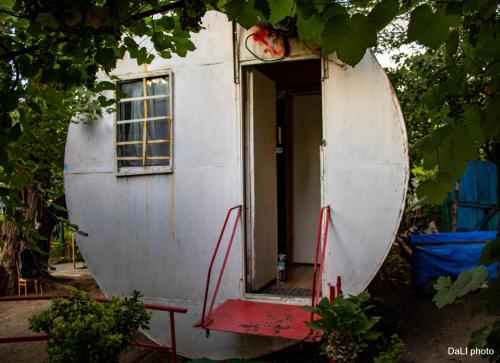
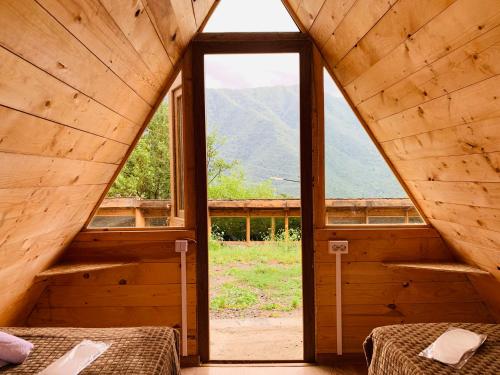
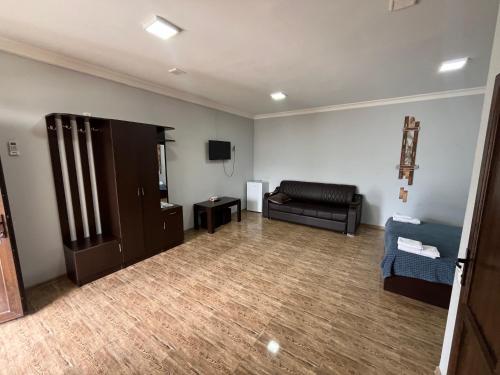
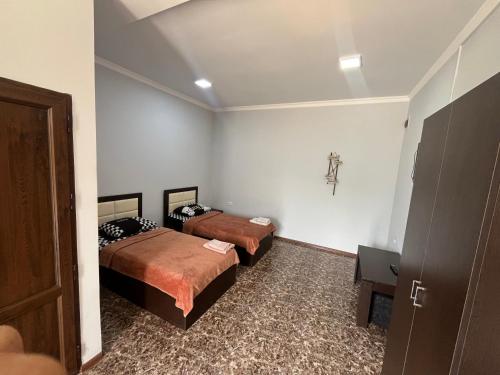
Traditional guesthouses in the Haghpat region emphasize homely comfort and proximity to the village and monastery, which suits families who prefer short transfers and an intimate atmosphere. Choose guesthouses a short walk from the monastery square so that early morning or late afternoon visits are convenient without logistical fuss; proximity also helps when juggling nap schedules or quick returns for younger children. Look for accommodations that advertise family rooms or larger common spaces where grandparents can relax while children play quietly; these properties often reflect local hospitality, with hosts happy to suggest nearby low-effort activities such as short village walks or local market stops. When selecting a stay, factor in noise levels from nearby lanes and the ease of bringing a stroller or carrier inside—narrow thresholds and uneven entry steps are common, so plan for a lightweight carrier if mobility around thresholds is a concern.
The second paragraph advises on practical choices to make a guesthouse stay smoother for multigenerational groups. Ask hosts in advance about simple on-site amenities that matter for family rhythm—such as early or flexible meal times, a safe spot for stroller storage, and nearby access to basic amenities like a pharmacy or grocery store. For families planning to split activities by energy level, choose a guesthouse that serves as a convenient rendezvous point between day trips and restful returns. When booking, communicate the ages and needs of traveling children and elders: hosts often provide local tips, suggest shorter walking routes, or coordinate low-effort tours tailored to family pace. Finally, consider a short stay in a nearby larger town like Alaverdi or Vanadzor if access to pediatric services or broader dining options is a comfort factor, using Haghpat guesthouses for the most scenic overnight experience while keeping core services within easy reach.
Accessible Paths and Stroller-Friendly Options around Haghpat
A close reading of paths around Haghpat shows a mix of smoother paved stretches and tighter stone thresholds; the most stroller-friendly access typically follows the main approach to the monastery square and the larger courtyards where surfaces are more continuous. For families with compact, all-terrain strollers, the path from the village lane to the lower viewpoint is usually manageable at a relaxed pace, though occasional stone seams require attention. Avoid narrow inner thresholds that lead directly into smaller chapels, as those areas often feature steps or abrupt level changes; instead, plan to leave a buggy at the entrance and use a lightweight carrier for short inner tours. For limited-mobility visitors, identify parking or drop-off points near the main entrance so that the walking distance to flat areas is minimal—this reduces uphill strain and keeps visits short and pleasant.
Second paragraph focuses on practical strategies and route choices. When a stroller is essential, map a loop that uses the village lane and terrace paths below the monastery rather than the tighter, steeper routes on the inner complex: these lower tracks offer gentler gradients and a lower risk of encountering steep stone steps. For wheelchair users or those with significant mobility concerns, liaise ahead with local contacts to confirm the presence of any temporary ramps or to arrange assistance for short carries across thresholds; local guides or hosts often know which sections to skip or how to time visits when foot traffic is lowest for easier passage. Pace the day with extra rest stops and use wider viewpoints as regrouping points; these areas typically have stable ground and visual rewards that justify shorter walking distances while keeping the group’s energy balanced.
Safety Tips for Families Visiting Historical Sites in Lori Province
Safety in historic landscapes combines common-sense measures with site-specific awareness. Sturdy footwear is the first line of defense: stone surfaces can be uneven, smooth from centuries of foot traffic, or slick after rain, so closed shoes with good grip prevent slips and reduce ankle strain. Supervise children closely near edges and viewpoints; even shallow ledges can be hazardous if a child runs or steps unpredictably. Carry a small first-aid kit that includes bandages, antiseptic wipes, blister plasters, and any prescription medicine the family needs—pharmacies exist in nearby towns, but travel time may be significant from remote viewpoints. In sun-exposed seasons, apply sunscreen early and reapply regularly, and use hats and UV-protective layers to reduce sunburn risk during extended outdoor pauses.
The second paragraph covers practical emergency planning and respectful behavior. Note local emergency numbers and the locations of pediatric services in nearby towns such as Alaverdi and Vanadzor; keep these contacts in an easily accessible place and tell at least one traveling adult where they are stored. When visiting chapels or interpreted spaces, observe quiet zones and follow signage to prevent accidental touching of fragile surfaces: this reduces the risk of minor cuts from crumbling stone or accidents around low barriers. For family groups splitting up—perhaps one adult staying with a napping child while others explore—agree on a firm reconvening time and place and use mobile check-ins where signal allows. Finally, adapt plans seasonally: winter brings icy patches and short daylight hours, while spring can include muddy tracks; match route choices to the season and to the youngest and least mobile travelers’ comfort levels.
Public Transport and Driving Routes Families Should Know
Public transport to Haghpat typically means regional minibuses and buses that connect larger towns like Alaverdi and Vanadzor with local villages; these runs are economical and frequent enough for day trips but require flexibility with timetables. Families using public transport should plan for short transfers on foot from village drop-off points to the monastery—pack a lightweight carrier for toddlers and keep luggage minimal to avoid juggling bags on narrow village lanes. When boarding a minibus, aim for earlier departures when space is more available and the vehicle is less crowded; peak local travel times can be cramped, which makes early starts preferable for families with strollers or multiple small bags. Confirm return times with drivers or the station to avoid long waits, and consider buying small snacks before boarding to keep children settled during transit.
For families driving, the main access roads from Alaverdi and Vanadzor are well-established and lead to parking or drop-off spots within a short distance of the monastery; plan to use the nearest accessible layby to minimize walking on steeper sections. Road conditions can vary with season—snow or heavy rain affects mountain lanes—so check local weather forecasts and reserve buffer time for slower driving in adverse conditions. Use a lower-gear approach when driving uphill sections to manage speed and avoid frequent braking, and plan for short descents on foot where roadways narrow into village lanes. When traveling with older relatives, aim to arrive early in the day to secure a convenient drop-off and to reduce the need for long uphill walks in the heat or late-in-the-day fatigue.
Seasonal Windows for Comfortable Family Visits
Spring and early summer (May–June) offer mild temperatures, blooming meadows, and generally firm trails—ideal for families who prefer outdoors without summer’s heat. Days are long enough for a morning monastery visit followed by an afternoon hill walk, and late-spring wildflowers add color that keeps kids curious on short hikes. Rainfall can appear in bursts, so pack lightweight waterproof layers and slip-resistant shoes for children. Early spring still carries a chill in the mornings and evenings; layer clothing to match fluctuating temperatures and protect toddlers and older relatives from chilly winds at higher viewpoints.
Late summer (July–August) brings warmer days that suit early starts and sunset viewpoint sessions but can be quite warm at midday on exposed terraces near the monastery. Schedule walks for early morning or late afternoon, and plan long midday rests with shaded picnics in lower village terraces. Autumn (September–October) is often the most comfortable window for multigenerational groups: crisp air, clear visibility for valley panoramas, and less foot traffic make it easier to manage stroller routes and guided family tours. By November, temperatures drop and shorter daylight hours mean fewer long outings—choose shorter loops and plan transfers with daylight in mind. Winter visits are possible but require strong preparation for icy patches and limited service hours in nearby towns; families should check road conditions and local opening times for heritage sites before traveling.
Cultural Etiquette for Visiting Monasteries with Children
Respectful behavior at Haghpat and Sanahin keeps heritage sites welcoming for everyone. Dress children in modest layers that cover shoulders and knees when entering chapels; lightweight scarves or cardigans are convenient to carry and can be slipped on for indoor moments. Explain simple rules in playful terms—‘whisper voices for the monks’ or ‘hands to yourself for the stone stories’—so youngsters understand why quietness and gentle movement matter. Encourage children to observe rather than touch carved khachkars and decorative surfaces; use a small laminated ‘touch/no-touch’ card or a short counting game to help them spot features without handling them.
When photographing inside or near lit chapels, remind children to avoid flash and to keep clear of doorways and ritual spaces. Model patient queueing and polite interaction with local worshippers; this teaches kids social cues and shows respect for living traditions. For families attending local services or events, choose seating near exits so young ones can step out quietly if needed, and prepare a brief cultural script of dos and don’ts to share with grandparents and visiting relatives. Buying small, locally made prayer candles is a way to involve children in ritual respectfully—always follow posted instructions for placement and safety and supervise any close interaction with flame. Overall, short, consistent reminders and framing rules as shared family challenges work better than long moral lectures when guiding children in sacred spaces.
Educational Activities for Kids around Haghpat Monastery
Turn a walk around Haghpat into an interactive learning trail with a handful of low-effort activities that suit varying ages. A simple scavenger hunt—find a khachkar with a certain motif, spot three dome shapes, or identify a carved animal—keeps attention engaged while linking playful tasks to the site’s architecture. Provide children with a small sketchbook and colored pencils to copy simple reliefs or draw the valley view; this encourages observational skills, slows the group’s pace for elders, and creates a souvenir made by the child. For older kids, offer short, age-appropriate fact cards about UNESCO listing, construction techniques, or the role of medieval monastic life, turning a few minutes at each stop into mini history sessions.
Hands-on workshops are an appealing option for families when available: local craft demonstrations—simple stone rubbing of a non-sensitive surface, bread-making, or yarn weaving—connect cultural history with sensory experiences kids remember. Organize a timed ‘architecture hunt’ where each generation pairs up (grandparent + child) to spot specific features and swap stories about what they see; this strengthens intergenerational bonds and makes the visit more meaningful. If a guided family tour is booked, ask the guide in advance for child-friendly storytelling elements: short tales about builders, symbolic meanings of motifs, or hypothetical day-in-the-life sketches that bring the stonework to life without heavy academic detail. End educational activities with a reflective moment at a viewpoint—ask each child and elder to name their favorite discovery, reinforcing memory and creating a simple group keepsake of the day.
Photography Spots and Drone Rules Families Need to Follow
Several easily reached vantage points make family photography straightforward: the lower viewpoint near the monastery square offers level ground and wide vistas perfect for group shots; the terraced ledges on the ridge provide panoramic backdrops without steep exposure; and courtyard corners with framed arches create classic portrait compositions. For safe family photos, pick spots with stable ground and modest slopes where parents can position children securely. Early morning and late afternoon light produce softer tones that flatter stonework and faces—these times avoid harsh midday shadows that can tire small kids and obscure facial detail. Bring a small reflector or simply use a light-coloured scarf to bounce soft light onto faces for better portraits without flash.
Drone usage around UNESCO sites is tightly regulated and often restricted; drone pilots must check national and local rules and obtain specific permissions before flying near Haghpat or Sanahin. In practice, many heritage areas prohibit drones to protect both structures and visitor privacy—families should plan ground-based photography and use wide-angle lenses or smartphone panoramas to capture sweeping scenes. When using any camera, respect signs prohibiting flash or photography in certain chapels, and avoid blocking pathways to let other visitors pass. If a family wants aerial images, consider hiring an experienced local operator who understands permit requirements and can provide approved footage, rather than attempting to fly a recreational drone without clearance.
Family-Friendly Local Guided Tours and How to Choose Them
Choose guided experiences that explicitly mention family pacing, short durations, and storyteller-style delivery. Small-group tours (under 10 people) work best for mixed-age groups because they allow more interaction, quicker returns to a resting adult, and quieter routes for sensitive elders. Prioritize guides who advertise child-friendly narratives—simple stories about builders, analogies that relate motifs to animals or everyday objects, and flexible itineraries that pause frequently for snacks or bathroom stops. Always ask about the tour’s total walking distance and surface types so that parents can plan stroller or carrier use accordingly.
Private or semi-private family tours offer the greatest flexibility: they can start early to avoid crowds, tailor routes to avoid steps or steeper clifftop approaches, and rotate helpers so grandparents can sit while kids explore with a guide. Language matters—select guides who can explain simply in English or book bilingual guides if grandparents or children prefer another tongue. When booking through a platform, check recent reviews for mentions of family-friendliness, responsiveness to mobility needs, and the guide’s ability to manage groups with mixed ages. A short pre-tour conversation to outline family needs—nap schedules, mobility limits, snack breaks—ensures the guide can plan pacing and content effectively.
Market Stalls and Souvenirs that Appeal to Kids and Grandparents
Village markets and roadside stalls near Haghpat often sell small, tactile souvenirs that please both children and older relatives. Look for handmade postcards depicting monastery scenes, textile bookmarks with traditional motifs, simple wooden toys, and small carved stone replicas made from local materials. Edible souvenirs—shelf-stable sweets, locally produced honey, or small packs of dried fruit—offer a safe memento that grandparents can share with grandchildren. Choose items that are lightweight and easy to carry on short hikes; if a family plans multiple stops, consolidate purchases into a single daypack to avoid juggling parcels on uneven paths.
When buying, teach children polite bargaining as a cultural exchange rather than a negotiation game—encourage them to ask friendly questions about how items are made and to thank sellers. For grandparents seeking keepsakes with low fragility, textiles and printed cards are sensible choices; delicate ceramics or heavy carvings are less practical for hikes and may pose breakage risks. Always inspect labels or ask vendors for suggested care instructions—some natural-dye textiles may fade if exposed to sunlight, and certain food items are seasonal. Store edible souvenirs in resealable bags and keep fragile items cushioned between clothing in luggage when walking back to viewpoints or guesthouses.
Day-Trip Itineraries from Haghpat for Active Families
Morning hike plus monastery loop: Start with an early 30–45 minute gentle ridge walk to a viewpoint while temperatures are cool, return for a relaxed mid-morning tour of the monastery with short stops at child-friendly courtyards, then finish with a picnic on a lower terrace. This timing suits preschoolers and grandparents because it spreads activity across the morning and reserves the hottest hours for rest. Include a 20–30 minute free-play period near a grassy terrace where kids can run under supervision while adults enjoy valley views.
Half-day Sanahin plus Alaverdi stroll: After a leisurely breakfast, drive or minibus to Sanahin for a compact 40–60 minute accessible tour highlighting the central courtyard and refectory. Follow with a slow-paced lunch in Alaverdi where families can sample mild local dishes and visit a small museum or riverside promenade. Return to Haghpat in late afternoon for a short viewpoint stop or a second brief walk. This itinerary avoids long continuous walking and places restful, seated breaks between shorter explorations—ideal for multigenerational dynamics and varied stamina levels.
Overnight and Nearby Town Options for Family Convenience
Staying overnight in the immediate Haghpat area provides the clearest advantage of quick access to early morning and late-afternoon visits, minimizing transit time and keeping naps on schedule. For families who want broader services—pediatric clinics, larger markets, and varied dining—Alaverdi and Vanadzor are sensible bases within reasonable driving distance. Alaverdi is closer and convenient for quick returns, while Vanadzor offers more extensive medical and retail options. Plan travel segments so that long drives fall outside nap times where possible, and consider splitting stays: two nights near Haghpat for scenic immersion, then one night in a nearby town for access to services and a wider food selection.
When coordinating multigenerational trips, factor in easy arrival and departure logistics: pick rendezvous points with minimal uphill walking for elderly relatives and request drop-off options that put family members close to flatter courtyard areas. If health access is a concern, map pediatric services and pharmacies in Alaverdi and Vanadzor before arrival and carry printed directions. For families preferring to limit transfers, choose a single overnight base and schedule day trips to Haghpat and Sanahin—this reduces daily packing and gives elders a stable retreat between outings. Reserve accommodations early in peak seasons to secure rooms that suit family sizes and proximity preferences.
Healthcare and Childcare Resources near Haghpat
Primary pediatric and general medical services for Haghpat visitors are based in nearby towns—Alaverdi and Vanadzor—where clinics, pharmacies, and regional hospitals are located. Families should note approximate travel times: Alaverdi is the closest town for urgent but non-critical needs, while Vanadzor offers a wider range of medical specialists and better-equipped emergency departments. Carry a compact family first-aid kit with basics—plasters, antiseptic, blister treatment, antihistamine, fever reducer appropriate for children, and any prescription items—since small clinics may have limited supplies or shorter opening hours in rural zones.
For childcare options, local guesthouses or community hosts sometimes know reliable babysitters or can suggest trustworthy short-term care providers in adjacent towns; inquire ahead of arrival to confirm availability and language compatibility. Keep a concise medical info card for each child—allergies, medications, and emergency contact numbers—and share it with an accompanying adult or host. In case of serious emergencies, have a plan to reach the nearest town by car or minibus and note local emergency numbers. Pharmacies in Alaverdi and Vanadzor stock common pediatric medicines, but brands and packaging may differ—bring essential prescriptions in original packaging and a doctor’s note when possible.
Packing Checklist for Families Visiting Haghpat
Clothing and sun protection: pack layered clothing for cool mornings and warmer afternoons, sun hats, UV-protective shirts for children, and a light windproof jacket. Footwear: sturdy closed shoes for stone paths and short hikes, plus comfortable slip-ons for downtime. Comfort and convenience: bring a compact stroller with all-terrain wheels if needed, a lightweight child carrier for narrow thresholds, refillable water bottles for each family member, and resealable snack containers. Health and safety: a small first-aid kit, children’s fever and pain relievers, blister patches, hand sanitizer, and a list of local medical contacts. Extras: a small sketchbook and pencils for kids, binoculars for viewpoint spotting, extra zip bags for waste or wet clothing, and a portable charger for phones to keep maps and emergency numbers accessible.
Practical travel items: bring photocopies of important documents, cash in small denominations for village markets, and a compact reusable bag for carrying picnic items and purchases. For photography, pack a light tripod or a compact selfie-stick for family portraits and extra memory cards. Seasonal additions: in spring and autumn include warmer layers and waterproof covers; in winter, add insulated gloves and thermal socks. Finally, label children’s belongings and pack a small comfort item—favoured toy or blanket—to ease transitions between walking, visits, and naps.
Budget Planning for Family Visits to Haghpat
Transport costs: budget for regional minibus fares or fuel if driving; short local transfers between Haghpat and Sanahin are inexpensive but add small tolls or parking fees in towns. Food and snacks: plan modest daily spending for picnics, light village meals, and market treats; children’s preferences mean small, frequent purchases rather than a single large meal. Guided tours and activities: allocate funds for a private family-friendly guide if desired—this can be a worthwhile investment to streamline pacing and provide child-oriented stories. Souvenirs and purchases: set aside a modest sum for lightweight keepsakes and edible treats from village stalls.
Sample budgets: Low-cost day trip—public transport, packed picnic, self-guided monastery visit, small market purchases—can be achieved on a limited daily spend per family. Moderate day trip—private transfer, family-friendly guided tour, picnic plus a simple lunch in a village eatery—adds moderate tour fees and transport. Flexible overnight plan—include one night near Haghpat plus a night in Alaverdi or Vanadzor, local meals, one guided tour, and small souvenirs. Adjust expectations based on family size, guide choices, and whether a private vehicle is hired; planning ahead and booking key services early in peak seasons helps control costs and secure availability.
Language Shortcuts and Kid-Friendly Armenian Phrases
Basic greetings and polite phrases help families connect with hosts and vendors: Hello—Barev (bah-REV), Thank you—Shnorhakalutyun (shnor-ha-ka-LU-tyoon), Please—Khndrem (khnd-REM) or use polite intonation when offering items. For children, simple phrases make ordering and interactions fun: ‘One bread, please’—Mek ton (mek TON), ‘Water, please’—Jur, khndrem (joor khnd-REM), and ‘I’m hungry’—Gavats em (ga-VATZ em). Emergency and helpful phrases: ‘Help’—Dzev (dzev), ‘Doctor’—Vrach (vrach), and ‘Where is the bathroom?’—Vortes e khndir? (vor-TES e khn-DEER).
Turn phrase-learning into a game: print a small phrase card for each child and practice before arriving at markets or eateries. Teach polite words such as ‘please’ and ‘thank you’ and encourage children to use them—locals respond warmly to attempts at the language. For pronunciation help, use smartphone audio clips or phrasebook apps that play native pronunciations. When language barriers occur, use smiles, gestures, and pointing to menus or items; many vendors are accustomed to basic tourist interactions and will help with simple translations.
Festivals and Family Events in Lori Province Worth Timing Around
Spring festivals celebrating harvest beginnings and local saints often include music, food stalls, and communal gatherings that are family-friendly; these events typically occur from late spring through early summer and provide lively atmospheres where children can sample local sweets and watch traditional dances. Cultural fairs in nearby towns sometimes feature craft stalls and demonstrations suitable for kids to try simple activities such as weaving or bread baking. Attending a small-town cultural fair is a way to experience regional traditions without the intensity of large urban festivals—expect moderate crowds and family-oriented programming in open-air settings.
Autumn harvest events and religious feast days near monasteries create opportunities to see traditional costumes and local ceremonies in calmer settings; these often have quieter mornings with processions or special services that are visually engaging for children. When planning around festivals, check local calendars and ask guesthouse hosts for specific dates—some events follow lunar or agricultural calendars and can shift year to year. For families, pick daytime events with ample seating and shade, avoid late-night festivities that disrupt children's sleep patterns, and arrive early to secure comfortable viewing spots.
Multi-Generation Travel Tips for Smooth Family Dynamics
Balance activity and rest by structuring days with short active phases followed by longer rest intervals. Alternate more energetic activities—like a 30–45 minute hill loop—with seated cultural time in courtyards or shaded picnic breaks so grandparents and toddlers both get comfortable windows. Role-sharing simplifies logistics: one adult scouts step-heavy sections while another manages snacks and hydration, and designate a ‘rest captain’ to choose regrouping points and oversee belongings during short explorations. Keep expectations realistic—plan for slower pacing, allow extra time for photo stops, nursing or medication needs, and bathroom breaks.
Communication and flexibility are key: set a basic plan each morning and confirm reconvening times for split groups. Use small comforts to reduce friction—frequent familiar snacks, a favourite toy, or a comfortable seat for elders—so transitions between walking and rest are smoother. When voting on activities, present two options: a gentle walk to a viewpoint or a shorter cultural stop; allowing family members to opt in reduces pressure and keeps the day positive. Finally, build in one ‘free afternoon’ for everyone to choose their own low-effort activity—this respects differing energy levels and helps avoid tension from continuous group movement.
Sample Multi-Day Family Itinerary Anchored on Haghpat
Day 1 — Arrival and gentle orientation: Arrive midday and settle nearby, then take a short afternoon loop to the lower viewpoint for an easy introduction to the landscape. Keep activities light—this allows children to adjust and elders to rest. Conclude with a nearby picnic and an early night to recover from travel. Day 2 — Haghpat full morning and Sanahin half-day: Begin with an early family-friendly walkthrough of Haghpat Monastery, using the child-safe sightseeing route and a brief scavenger hunt to engage younger visitors. After a leisurely mid-morning break, transfer to Sanahin for a compact 40–60 minute visit and a restful lunch in a nearby town. Return for an optional short afternoon stroll or free time.
Day 3 — Short hike and local craft experience: Take a 30–60 minute family hike on a gentle ridge trail, followed by a picnic on a sheltered terrace and a local craft demonstration or market visit where children can make a small keepsake. Afternoon options include a slow drive to Alaverdi for light sightseeing or a restful afternoon at the accommodation. Each day keeps walking distances modest, prioritizes midday rests, and schedules photo-friendly viewpoints in early morning or late afternoon to match children’s routines and elders’ comfort.
Local Rules, Preservation Etiquette and Respectful Photography
Preservation comes first at UNESCO sites—avoid climbing on monuments, do not remove or collect stones, and resist touching fragile carved surfaces. Teach children that the stonework is like a very old storybook: look closely but use eyes only. Keep voices low in chapels and watch for posted signs that indicate restricted areas; these are often in place to protect delicate masonry or ritual spaces. Use designated paths and avoid trampling vegetation near viewpoints to protect soil and plant life that stabilise terraces.
Photography etiquette matters: obey ‘no flash’ signs inside chapels, step aside to let others pass when composing shots, and avoid photographing worshippers without permission. If a family wishes to photograph a ceremony or service, ask a local attendant whether it’s appropriate and follow any instructions given. For drone enthusiasts, confirm national heritage authority rules—most heritage zones prohibit recreational drones—and seek authorised operators if aerial imagery is essential. Modeling respectful behaviour during visits helps children internalize stewardship values and keeps Haghpat welcoming for future generations.


 See all


 See all




 See all


 See all


 See all


 See all


 See all



 See all




 See all
