Why choose a Haghpat bed and breakfast for an authentic mountain stay
Haghpat’s bed and breakfast scene is an invitation to wake up where history and everyday village life meet. Located in Lori Province near the renowned Haghpat Monastery, these small-scale accommodations place visitors within walking distance of stone cloisters, steepled roofs and terraces that slope toward the Debed River valley. Staying at a B&B here means more than a room: it offers the chance to absorb daily rhythms—morning bread baking, neighbors tending small plots, and the quiet bells or chants drifting from monastic services—without the formality of larger urban lodgings. For travelers who value atmosphere over anonymity, a bed and breakfast in Haghpat brings an immediacy to the experience of the monastery and surrounding landscape, marrying convenience for sightseeing with intimate access to local culture.
Bed and breakfasts in Haghpat tend to be family-run properties or converted village homes, which translates into personalized local insight and practical help plotting walking routes, finding the best viewpoints, or timing a monastery visit to avoid crowds. Unlike standardized hotel chains, these stays vary widely in character: some emphasize traditional décor and regional textiles, others offer contemporary comforts within historic shells, but all generally prioritize human-scale hospitality. This variety makes Haghpat B&Bs especially appealing to walkers tracing short trails, history enthusiasts wanting extra time at Haghpatavank and nearby Sanahin Monastery, and travelers seeking tranquil bases from which to explore the Lori cultural landscape. For those planning a relaxed itinerary centered on architectural heritage and rural panoramas, a Haghpat bed and breakfast delivers direct access, local flavor and the pleasure of a place that feels lived-in rather than photographed.
Getting there and getting around from Haghpat B&Bs
Reaching Haghpat requires a bit of travel planning but rewards with scenic roads and a sense of arrival into a distinct historic setting. The most common long-haul access into Armenia is via Yerevan’s international airport, which offers onward road connections to Lori Province. From Yerevan, travel time by car or coach to Haghpat typically ranges from three to four hours depending on route and traffic; journeys via regional highways climb into verdant highlands and pass through small towns such as Alaverdi. For travelers arriving from neighboring countries, cross-border road links and regional airports in larger hubs may be the starting point; onward transfers commonly involve private cars, shared taxis or regional minibuses. When booking a bed and breakfast in Haghpat, confirming arrival logistics with hosts is useful—many will advise on the most reliable transfer options and typical travel times from major transport nodes.
Once based at a Haghpat B&B, moving around the village and immediate surroundings is straightforward on foot: the monastery complex and village center are generally reachable via compact stone lanes and short paths. For excursions beyond Haghpat—such as trips to Alaverdi, Odzun or other Lori Province sites—local minibuses (marshrutkas), taxis and occasional regional bus services provide practical choices. Hosts can often point to typical timetables and preferred pickup points or help arrange a driver for day trips where public transport is infrequent. Because services in rural Armenia can run to informal timetables, building a flexible day plan and confirming return options in the evening ensures smoother travel. For visitors relying on public transport, early departures and awareness of seasonal schedule changes are helpful; for those preferring door-to-door convenience, pre-arranged transfers from the nearest airport or a regional transport hub can be arranged in advance through booking platforms like Agoda or directly with hosts.
Monastery-view rooms and where to find them in Haghpat
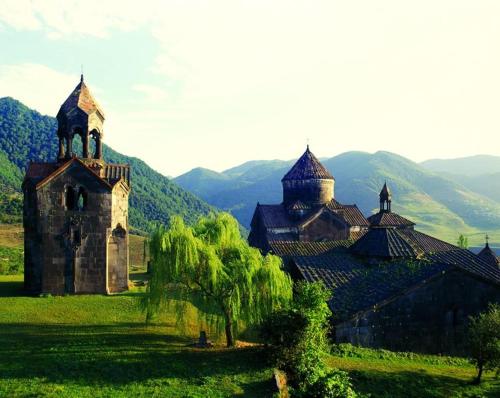
Monastery-view rooms are a prized feature for many visitors to Haghpat, offering direct vistas of Haghpatavank’s layered stonework, pitched roofs and buttresses framed by ridgelines. These rooms are most often found in properties situated on the village’s higher streets and terraces that face the monastery complex or on small guesthouse balconies oriented toward the valley. In several village homes converted into bed and breakfasts, hosts have positioned windows or small outdoor seating spots to capture the changing light across the monastery at sunrise and sunset—perfect for photography enthusiasts who prefer to shoot before the midday crowds arrive. When searching listings, look for descriptions that mention Haghpatavank views, valley outlooks or terrace-facing rooms; photos showing the monastery from a window or balcony are a good sign that a property offers the sought-after sightline.
Demand for monastery-facing rooms can peak during high seasons and cultural festivals, so it pays to flag view preferences early in the booking process. Many hosts are accommodating about room allocation when notified in advance, and booking platforms allow special requests to be communicated with a note at reservation time. Typical room types offering views include doubles and family rooms located on upper floors or rooms with small, dedicated terraces; single rooms can provide views too but may face side streets rather than the sweep of the complex. Availability and exact sightlines depend on each property’s orientation and the village’s topography, so comparing recent guest photos and confirming the aspect with a host will give the clearest sense of what to expect.
Traditional Armenian guesthouses in Haghpat and what to expect
Traditional guesthouses in Haghpat bring regional character into everyday hospitality, often reflecting local building styles and decorative touches from Lori Province. Visitors may notice sturdy stone walls, wooden beams, handmade textiles and simple furnishings that echo village aesthetics without resorting to pastiche. These guesthouses are commonly family-operated and emphasize a hospitable atmosphere rather than standardized amenities: hosts frequently draw on local culinary traditions for morning meals, keep an eye on practical travel needs, and share stories about nearby landmarks such as Haghpat Monastery and Sanahin. The architecture and interior details serve as visual cues of the area’s heritage—tiles, embroidered linens and painted ceramics that reference regional craft practices—so stays can feel like living inside a small slice of local culture.
Room arrangements in these properties vary to suit different travelers: single rooms work well for solo explorers, doubles are common for couples, and family rooms provide grouped sleeping options for travelers arriving together. Layouts may include compact private rooms and slightly larger family suites that open onto shared corridors or small courtyards, with many properties maintaining an intimate scale that supports quieter, more personal interactions between guests and hosts. Cleanliness, clear communication about arrival times and attention to local customs are often highlighted by previous guests, and many hosts aim to preserve the authentic ambience by using locally sourced materials and offering breakfast components that reflect provincial tastes. For travelers seeking a culturally resonant stay that feels rooted in the village rather than transplanted from a distant urban center, traditional guesthouses in Haghpat offer a direct and memorable way to experience the area’s living heritage.
Local homestay hosts and hospitality practices in Haghpat
Hosts in Haghpat often open a window onto village life rather than a closed service script; conversations begin over a morning plate and continue with practical tips whispered while pointing toward a footpath or the monastery’s gate. Many homestay hosts are longtime residents who combine memory and local knowledge—names of family plots, preferred vantage points for photographing Haghpatavank, and the quiet times to visit chapels when monks are chanting. Hospitality practices frequently emphasize personal interaction: an offered cup of tea can turn into directions for a short circular walk, an invitation to try a homemade preserve, or a brief history lesson about a carved lintel or a stone inscription edging the monastery complex. That conversational hospitality makes these stays rich in anecdote and context, helping visitors understand how the monastery and village have shaped one another over generations.
Practical host behaviors reflect rural rhythms. Arrival routines are typically relaxed but attentive—hosts will ask about arrival times, help store luggage if a guest arrives early, and may suggest an afternoon walk to acclimatize. Expect helpful, low-key assistance: spotting a favourable sunrise location, pointing out local produce sellers, or coordinating a shared ride to Alaverdi. While western-style service checklists are uncommon, hosts compensate with personal attention and a readiness to adapt plans if weather or transport alters the day. For travelers who enjoy conversation and human-scale exchange, a Haghpat homestay transforms ordinary logistics into a local story, with hosts acting as cultural interpreters and informal guides rather than anonymous service staff.
Morning menus that showcase local Armenian breakfast dishes
Morning meals in Haghpat bed and breakfasts are often compact, flavorful affairs built from nearby fields and village producers rather than elaborate restaurant spreads. Fresh flatbreads—baked or bought at a nearby stall—are a common anchor, paired with regional cheeses that vary in texture from soft, brined curds to firmer farmhouse types. Dairy features prominently: plain yogurts or strained forms, morning cheeses, and sometimes clotted-style cream are served with seasonal honey, preserves, or a scattering of herbs. Eggs are prepared simply—fried, scrambled or boiled—so that the quality of eggs from small village flocks can be tasted directly. Accompaniments such as sliced tomatoes, cucumbers, and wild herbs bring brightness to the plate and reflect local produce cycles.
Preserves and pickles often tell a seasonal story: apricot jam in summer, plum preserves in autumn, and jarred compotes that extend the harvest’s flavours into the cooler months. Sweet and savory breads may be drizzled with honey or spread with butter and house-made jam; sometimes guests find a small porridge or semolina-based dish offered as a warming option. Hosts usually source ingredients from nearby markets or their own gardens, and many are open to modest dietary requests—vegetarian options are straightforward, while gluten- or dairy-free needs are best flagged before arrival. The overall effect is a morning that feels homemade, regionally authentic, and suited to the day’s plan—whether that means an early photographic outing to Haghpatavank or a relaxed walk along the ridge.
Walking routes from B&B doorsteps to Haghpat Monastery and nearby viewpoints
Most bed and breakfasts in Haghpat are within easy walking distance of Haghpat Monastery, which makes the village ideal for exploring on foot. A typical route begins on narrow stone lanes that rise and fall with the village terraces, moving past compact homes, small garden plots and occasional vantage points that frame the monastery against the valley. For visitors staying on higher streets, a direct five- to ten-minute walk often leads to the eastern side of the complex where layered roofs and buttresses reveal themselves in panoramas; those on lower terraces can expect a few more steps but also intimate views of monastic walls against adjoining lanes. Paths vary from flat cobbles to steep stone steps and gentle dirt tracks, so comfortable, grippy footwear is advised even for short walks.
Beyond the monastery gates, several short trails lead to cliff-edge viewpoints and valley terraces that capture broader perspectives of the Debed river valley. A favored photo loop threads from the monastery toward a western lookout, offering sweeping shots at sunset when the light flattens the stones into warm ochres. Another easy outing heads northward along the village perimeter to reach a small ridge that overlooks the village center and the distant ridgeline; this spot is particularly good at first light when the monastery’s contours stand out against cool morning haze. Many hosts sketch these routes on arrival, noting loose stones, steep sections, and the best times for quiet solitude or soft light—small pieces of local advice that make short walks feel like private discoveries.
Hiking trails and natural features to explore around Haghpat
Haghpat sits amid a landscape of folded hills, river-cut valleys and exposed cliffs, which opens up a handful of short to moderate hikes suitable for varied fitness levels. Trails close to the village typically climb to nearby ridgelines and scruffy oak-and-shrub slopes, rewarding walkers with panoramic views of Haghpatavank and the Debed valley. Many of these routes are informal and follow shepherd tracks or old cartways rather than marked trails, so a steady sense of direction, a local sketch or a host’s verbal guidance is useful. For casual hikers, circuits that combine village lanes with a ridge loop offer a satisfying mixture of cultural stops and natural scenery without committing to strenuous ascents.
For those with more time or appetite for longer walks, routes leading toward Alaverdi or connecting to neighbouring village tracks can be stitched into day hikes that pass through farmed terraces and wooded gullies. Flora changes with elevation—lower slopes show cultivated plots and orchards, while higher stone-strewn ridges host hardy shrubs and seasonal wildflowers in spring. Birdlife includes common valley species and raptors that ride thermal updrafts near cliffs; early mornings are the best time for wildlife observation before human activity increases. Terrain and trail conditions shift seasonally: wet weather can make dirt tracks slippery, while late autumn may scatter fallen leaves over paths. For safety, walking with a guide or confirming route details with a host is recommended for anyone venturing off the more obvious village circuits.
Day trips from a Haghpat bed and breakfast that enrich an itinerary
Haghpat works well as a base for short cultural excursions across Lori Province, with convenient day-trip options that add historical and regional depth to a stay. Alaverdi, a short drive downstream, provides a slightly larger-town perspective on industry and regional life; its streets and viewpoints give contrast to Haghpat’s compact historic core and are useful for picking up supplies or visiting local markets. Odzun, another nearby religious site, offers a different architectural tone and epigraphic history, making it an ideal companion stop for those interested in ecclesiastical art and rural sacred landscapes. Typical day trips run from a half-day to a full day depending on transport arrangements and how long a traveler wants to linger at each site.
Hosts in Haghpat often help plan these outings by advising on transport rhythms—shared minibuses, arranging drivers, or suggesting the best times to avoid return-timetable gaps. For independent travelers, combining a monastery visit with a market stop and a short riverside walk creates a balanced day that mixes architecture, local life and light exercise. Timing matters: visiting Alaverdi in the morning can avoid afternoon heats and maximize market vendor variety, while late afternoon returns to Haghpat often show the monastery bathed in golden light. Hosts’ local knowledge—hidden viewpoints, quieter side chapels, or the best vendor for a specific food—adds texture to day trips and turns logistical planning into a curated regional snapshot.
UNESCO heritage context and why Haghpat feels special
Haghpat Monastery’s inscription as a UNESCO World Heritage site underscores the area’s architectural and historical significance: the complex exemplifies medieval Armenian ecclesiastical design, stone carving traditions and a monastic culture that influenced surrounding settlements. That heritage creates a cultural landscape in which village life and sacred architecture are interwoven; walking through Haghpat is often a movement between living homes and centuries-old stonework, offering perspective on continuity rather than frozen ruins. The monastery’s masonry details, cross-stones and structural forms provide visual lessons in regional craftsmanship, and standing near the cloisters invites reflection on how faith, labor and landscape shaped a community across centuries.
Staying in a local bed and breakfast amplifies that sense of being part of a living heritage site. Rather than a removed museum experience, a village B&B places visitors amid daily routines that have coexisted with the monastery for generations: fields tilled on terraced slopes, small shrines tucked into lanes, and family stories that reference monastic festivals and seasonal processions. This proximity helps travelers appreciate the monastery not only as an isolated monument but as a component within a broader cultural ecosystem. Hosts often pass on oral histories or explain architectural features, enriching visits with context that interprets stonework, inscriptions and the monastery’s evolving role in village life—context that deepens appreciation for why UNESCO recognition matters locally.
Cultural etiquette for visiting monasteries and staying in village homes
Respectful conduct in Haghpat centers on modesty, quiet, and observing local rhythms. When visiting Haghpat Monastery and surrounding chapels, modest dress is advised—shoulders and knees covered—because these are active sacred sites where clergy and worshippers may be present. Voice levels should be low and movements measured: speaking softly, avoiding intrusive behaviour during prayer or ritual, and following posted signs about photography or restricted areas. Some churches request that hats be removed or that flash photography be limited to protect fragile interiors; when in doubt, asking a local or following a host’s advice prevents unintentional offence and ensures access to interior spaces without disturbance.
At homestays, etiquette leans toward friendly formality: greeting hosts with a polite phrase, accepting offered refreshments even if only briefly, and removing shoes if a household custom suggests it. Interactions with elders benefit from a courteous tone and an openness to small talk—asking about local life, the season’s harvest, or a monastery’s history is usually welcomed. Tipping is not a strict ritual in village homes, but small gestures of appreciation—an extra note of thanks, a modest local gift, or leaving an appreciative review on Agoda—are meaningful. Observing these simple customs fosters goodwill and deepens the cultural exchange that makes Haghpat bed and breakfast stays particularly rewarding.
Seasonal travel tips for picking the ideal time to stay in Haghpat
Each season in Haghpat shapes the village’s character and the practicalities of a B&B stay. Spring brings regenerating fields and wildflowers on ridge walks; daylight lengthens and temperatures are generally mild, making it an attractive time for photographers wanting blossom-dotted foregrounds around the monastery. Trails can be wet from thaw or early rains, so waterproof layers and grippy footwear are prudent. Summer offers the warmest weather and the fullest market stalls, perfect for travelers who prefer long daylight hours and easy access to outdoor viewpoints, though mid-summer afternoons may be hottest and quieter indoor intervals between photo outings are common.
Autumn is a favourite for many visitors: harvest colours, clear light that flatters stone surfaces, and more moderate temperatures create ideal conditions for walking and photography. Markets reflect seasonal abundance, and hosts often have fresh preserves from recent harvests to sample at breakfast. Winter brings a markedly different pace—shorter days, the possibility of snow and a quieter village rhythm. Some roads or services may be less frequent in colder months, so confirming arrival plans and packing warm layers is essential. Across seasons, coordination with hosts about arrival times, trail conditions and ideal visiting windows for the monastery helps shape an enjoyable stay that matches both weather and personal preferences.
Safety, accessibility and mobility considerations for rural B&B stays
Haghpat’s heritage streets and village lanes offer charm but also practical constraints: uneven cobblestones, short flights of stone steps, and traditional thresholds can challenge mobility for some visitors. Many older buildings lack ramps or elevators, and rooms with the most desirable monastery views are often on upper floors reached by stairs. For travelers with mobility concerns, contacting hosts in advance to request ground-floor accommodation, confirm available room widths and discuss bathroom access is recommended. Hosts are frequently willing to describe door thresholds and paths to the monastery, and may suggest alternative routes that avoid steep steps or loose stones.
General safety in and around Haghpat aligns with rural travel best practices: wear sturdy footwear on uneven paths, be cautious near cliff edges and observation points, and carry basic first-aid items for minor scrapes or insect bites. Nighttime lighting in village lanes can be limited; bringing a small torch for post-sunset walks is a sensible precaution. For medical needs, the nearest clinics are typically in larger nearby towns—hosts can provide contact details and practical directions—so travelers with significant health conditions should plan accordingly and carry necessary medications. Advance communication with hosts about mobility needs or health concerns ensures that a stay can be both comfortable and secure.
Budget-friendly bed and breakfast options and money matters in Haghpat
Finding wallet-friendly bed and breakfast choices in Haghpat is straightforward for travelers who prioritize simple comforts, local charm and off-peak timing. Many village guesthouses operate on modest margins and price rooms to reflect the rural setting—single rooms often cost less than doubles or family suites, and rates typically drop outside peak tourist months like summer and major religious festivals. Booking in advance through Agoda allows price comparison across properties, shows recent traveler reviews that flag value-for-money stays, and surfaces flexible cancellation terms that help save on last-minute changes. For the most economical options, target smaller, family-run homes on side streets rather than properties with clearly marketed view-focused rooms; these still provide authentic local contact but often at lower nightly rates.
Payment practices in Haghpat tend toward cash-based transactions, especially for lower-cost B&Bs and homestays that prefer local currency for everyday expenses. Armenian dram (AMD) is the standard, and having small notes and coins helps with market purchases and tipping hosts for extra help like arranging local transport. Some hosts accept card payments or online transfers, but reliability varies—confirm accepted payment methods with hosts before arrival or via your Agoda booking message. For budgeting, factor in modest daily costs for breakfasts (often included), small souvenirs from village stalls, and transport for day trips to Alaverdi or Odzun. Bargaining is less common in fixed-price guesthouses but normal in local markets; polite negotiation over artisanal goods is acceptable when done respectfully and with an eye to supporting community makers.
Agoda booking tips for Haghpat bed and breakfasts
Using Agoda to secure a Haghpat bed and breakfast works best with a few practical habits that reduce surprises. First, examine recent traveler photos and the latest reviews to verify the accuracy of view descriptions and room placements—images taken by guests often show the true sightlines to Haghpatavank and the condition of footpaths around the property. Second, use the booking message function to flag key requests: arrival time, preference for a monastery-view room, or any mobility needs. Hosts in small villages are used to coordinating arrival windows and appreciate specific arrival times rather than vague estimates; a brief note asking about the best pickup point or suggested transfer route can smooth the final leg of the trip.
Pay attention to cancellation and check-in notes on the Agoda listing. Rural hosts sometimes maintain flexible personal routines, so listings that mention “host-arranged check-in” or “key collection details” usually require prior coordination. If a property’s listing lacks clarity on payments, reach out via the Agoda messaging tool to confirm whether the host prefers cash or accepts cards. When comparing options, prioritize listings with multiple, recent reviews that mention accurate photos, clear directions from nearby transport nodes and helpful host communication—those patterns reliably predict a less stressful rural arrival. Finally, consider offsetting risk by booking refundable rates during uncertain travel times, then switching to a non-refundable offer if plans solidify and a discount is available.
Check-in, check-out rhythms and host communication in rural Armenia
Village B&Bs around Haghpat tend to operate with human-centered rhythms rather than strict hotel clocks. Hosts often prefer to coordinate check-in times by phone or message, accommodating arrivals that match local meal or market routines. A typical pattern: guests provide an estimated arrival time during booking, the host confirms a preferred pickup point or key-handover plan, and minor flexibility is expected if travel is delayed. Late arrivals are common on regional roads, so a courteous heads-up message helps hosts manage evening routines and ensure an attentive welcome. When planning, allow for longer transfer times from airports or regional towns and arrange a specific meeting spot in Alaverdi or near the main road if the host cannot meet directly at the B&B.
Clear, polite communication yields the smoothest experience: brief messages indicating flight or coach numbers, a mobile contact for arrival day, and questions about parking or baggage storage if coming early. Useful sample questions to ask before arrival include: “Is there a preferred pickup point in Alaverdi or a local landmark to meet?”, “Are keys handed over on arrival or is there a nearby safe-point?”, and “Do you suggest any immediate errands on the first afternoon (market, viewpoint)?” Hosts appreciate concise details and will often respond with practical tips—where to wait if delayed, a local mobile number to call, or a simple sketch of the footpath from the drop-off point to the guesthouse. For check-out, clarifying whether breakfast timing can be shifted for early departures avoids awkward mornings and reinforces good host–guest relations.
Connectivity expectations and staying online from Haghpat B&Bs
Connectivity in Haghpat is variable and should be planned for as an element of rural travel rather than taken for granted. Many guesthouses offer some form of Wi-Fi, but speeds and reliability differ from urban standards; mountain valleys and stone buildings can weaken signals. Mobile phone coverage for major Armenian carriers generally reaches Haghpat, though signal strength may fluctuate between village lanes and ridge viewpoints. For travelers dependent on steady connections for work or navigation, it’s wise to confirm connectivity options with the host when booking—some properties can point to the best spot on their terrace for a stronger signal or let guests download large files in a nearby town with better service.
Offline preparations pay off: downloading offline maps, saving translation phrases and copying booking confirmations to local device storage ensures smoother arrivals. Carrying a portable battery pack and a compact power adapter keeps devices charged during long day trips to surrounding ridgelines where charging points are scarce. For photo-heavy trips, backing up images to a cloud service when in town or using an external drive reduces the risk of data loss. If staying in Haghpat for several days and online time is crucial, consider arranging a local SIM card at a larger town (Alaverdi or a regional center) before heading into the village; hosts can advise on local vendors and the approximate coverage to expect on particular carriers.
Local markets, produce sources and breakfast ingredient stories
Markets and small-scale producers around Haghpat play a central role in the breakfasts served at village B&Bs and make market visits a rewarding morning activity. Nearby weekly stalls and Alaverdi’s market supply fresh seasonal fruit, vegetables, eggs, and dairy—items that appear on morning plates as rustic cheeses, jars of homemade jam and crates of sun-warmed apricots in summer. Hosts often source directly from neighbours or small producers, meaning that tasting a breakfast preserve can be a direct link to the person who made it. Visiting markets is an excellent way to understand ingredient provenance: ask vendors about the growing altitude for a particular herb or whether a cheese is aged locally or bought from a nearby dairy.
For guests wanting to assemble their own picnic or bring home edible souvenirs, markets are a practical and sensory-rich stop. Purchasing a small selection of dried fruit, a jar of honey, or a wrapped flatbread supports local livelihoods and provides authentic picnic fare for hikes to nearby viewpoints. Market etiquette is relaxed but polite: greetings in Armenian or a smile go far, and small price negotiations for bulk items are common practice. Hosts can recommend the best vendor for a particular cheese or the stall that keeps the freshest eggs, helping visitors connect the breakfast table to the village producers whose seasonal cycles shape morning menus.
Small-group guided walks and history tours arranged from B&Bs
Small-group guided walks offer a concentrated way to grasp Haghpat’s layered heritage without overwhelming the village’s calm atmosphere. Hosts often know local guides—retired teachers, monastery caretakers or history enthusiasts—who lead short tours focusing on Haghpat Monastery’s architecture, lapidary inscriptions, and the interplay between monastic life and village routines. Tours typically last one to three hours and concentrate on close reading of stone details, functional elements like water channels, and the narrative of construction phases visible in masonry repairs. A knowledgeable local guide brings anecdotal colour: who carved a lintel, where to find a discreet relief, or the seasonal rituals tied to small chapels.
For nature-focused walks, small groups can be guided onto ridge loops and river terraces where a guide points out native herbs, birdlife and local geological features—why a particular cliff cracks in a certain way, or where shepherds historically led flocks for summer grazing. Guides may offer flexible itineraries to suit photo priorities, family needs or mobility limits; for example, a shorter route to a sunrise vantage point or a gentler circuit that avoids steep steps. Booking through a host or via an Agoda message ensures that the guide meets guests at the agreed spot and that local knowledge about trail conditions and seasonal considerations is factored into timings.
Photogenic sunrise and sunset spots to capture from B&Bs
Haghpat rewards early risers and golden-hour chasers with several compact vantage points that frame Haghpatavank and the Debed valley in particularly flattering light. Monastery-facing terraces and upper-street viewpoints catch sunrise as the eastern slopes warm, outlining buttresses and cross-stones against cool valley mist. The western cliff outlooks, reached by a short walk from the village perimeter, are ideal for sunset compositions when long shadows emphasize the monastery’s relief and valley terraces glow amber. Rooftop edges and small courtyard terraces in higher guesthouse streets also create intimate frames—small foreground elements like a painted lintel or a flowering pot can add scale and local texture to wide-angle shots.
Photographic timing shifts with the seasons: spring mists can lend a soft, layered mood at first light, while autumn’s clear air produces sharp contrast and saturated stone colours around sunset. For practical tips, aim to scout a viewpoint the evening before to find the best composition and safe footing, and bring a lightweight tripod for low-light clarity. Because access to some outlooks involves crossing uneven lanes or short stone steps, comfortable shoes and a torch for pre-dawn returns are sensible. Hosts often point guests to their favourite morning or evening spots and may even recommend the precise stair or side lane that provides the least obstructed sightline for the ideal shot.
Wildlife, river valleys and geological features around Haghpat
The Debed river valley, folded ridgelines and exposed cliffs surrounding Haghpat form a compact natural stage where geology and ecology meet in accessible ways. River-cut terraces show layered sediment and bedrock exposures, while rocky outcrops and ledges attract raptors and cliff-dwelling birds that ride thermal currents. Early mornings and late afternoons are the best windows for birdwatching—common valley species forage in orchards and scrub, and birds of prey can often be spotted circling above the cliffs. Small mammals and seasonal wildflowers appear along higher paths; spring brings a burst of colour on the ridges while autumn’s faded grasses accentuate the landscape’s textural drama.
Respectful wildlife observation matters: keeping distance from nests, avoiding loud noises at sensitive lookout points and taking care near cliff edges protects both animals and visitors. For geology buffs, short walks reveal stratified rock faces and small fossil-bearing outcrops—local guides or host explanations can point to sites of interest and suggest safe vantage points to study rock forms. Carrying binoculars and a basic field guide, or asking a host for recommended species to look for by season, enhances the natural history experience and ties the scenic walks to a richer appreciation of the valley’s living and non-living features.
Local crafts, souvenirs and supporting community makers
Lori Province artisans keep alive woven textiles, embroidered linens and handcrafts that reflect regional patterns and practical village life. In and around Haghpat, small makers produce embroidered tableware, hand-spun yarn, and jars of preserved fruit that make meaningful souvenirs and support local livelihoods. Visiting a market stall or asking a host about a recommended craftsperson often results in direct purchases that bypass middlemen and deliver fairer returns to producers. Typical items to look for include small textile pieces framed as keepsakes, locally jarred jams and honey, and simple wood-turned objects—each tells a story about local materials and seasonal labour.
When buying, follow respectful bargaining: start with a friendly greeting, ask about the material and maker, and offer a reasonable counter if a price seems high for the village scale. Paying a little extra for handcrafted items is a tangible way to invest in community continuity. For larger or fragile purchases, ask hosts about packing materials or whether a nearby town has better shipping options; hosts can also suggest trustworthy sellers and help with language for transactions. These small exchanges sustain craft traditions, make for durable memories and create direct links between visitors and the makers whose skills shape the village’s cultural fabric.
Health services and emergency contacts near Haghpat
Health services in this rural part of Lori Province are concentrated in nearby towns rather than within the village itself. Alaverdi typically hosts the nearest clinics and medical practitioners able to handle routine care, while more advanced medical needs or hospital treatment require travel to larger regional centers. Hosts are usually well-informed about the closest healthcare points and can provide phone numbers and directions quickly; they often know local ambulance access routes and typical transfer times to medical facilities. Travelers with ongoing health conditions should carry a sufficient supply of medication and a written note of essential prescriptions, plus copies of medical documents that may be needed if a referral to a clinic becomes necessary.
Emergency preparedness for rural stays includes simple measures: keep a basic first-aid kit for minor scrapes or blisters, know the local emergency phone numbers provided by the host, and confirm transport options for urgent trips—whether a nearby taxi driver or a host-arranged ride. Travel insurance that covers medical evacuation or regional hospital care is strongly recommended for peace of mind. Finally, sharing any health concerns with a host on arrival ensures practical support, whether that means advising on nearby pharmacies, pointing to accessible routes, or knowing which local driver can quickly reach a clinic in town.
Language basics and signage to make village life easier
A few Armenian phrases go a long way in Haghpat. Simple greetings—Barev (hello), Shnorhakalutyun (thank you), and Khndrum em (excuse me)—open doors and invite smiles, while basic directions like Vortex (right), Sarqel (left) and Vkareh (straight) assist with navigating narrow lanes. Asking for breakfast or bread using Nshanak (bread) or Yeght (egg) helps at market stalls and with hosts, while using ‘voch’ (no) and ‘urakh em’ (I’m happy) keeps exchanges warm. Local signage mostly appears in Armenian script; matching a printed place name with a host-provided phonetic clue or a map image avoids confusion when moving between the village and transfer points.
Carrying a small phrase list or using a translation app with offline Armenian packs smooths market bargaining and transport conversations. Polite forms of address toward elders, such as using a respectful greeting and adding a short thank-you, are appreciated and often reward conversations that reveal local stories. Hosts are typically patient with broken phrases and will help translate simple vendor interactions, making a little language preparation both practical and socially rewarding during a stay.
Packing checklist tailored for overnight and multi-night B&B stays
Packing for Haghpat balances village practicality with photographic and walking needs. Essentials for short stays include layered clothing (cool mornings and warm afternoons require flexibility), sturdy walking shoes with good grip for uneven cobbles and steps, and a compact rain layer for seasonal showers. A reusable water bottle, a small torch for pre-dawn or post-sunset corridors, and printed booking confirmations—plus a note of the host’s contact number—keep logistics straightforward. Photographers should add a spare memory card, a lightweight tripod and a lens cloth; early-morning shooting benefits from a headlamp or torch for safe navigation to lookout points.
For longer trips, include wash-and-wear clothing that suits village laundry rhythms, any specialty medication with prescriptions, and small gifts or tokens if planning to thank hosts personally. Season-specific items: insulated layers and gloves for winter stays, sunhat and sunscreen for summer, and waterproof gaiters for muddy spring trails. Packing a modest first-aid kit and copies of travel insurance and identification documents is sensible for rural travel. Keep luggage compact enough to handle short transfers on foot through the village lanes—oversized suitcases can be awkward on stone paths—while balancing comfort and preparedness for several days of exploration.
Sustainable stays and community-minded travel practices in Haghpat
Sustainable travel in Haghpat means making choices that protect the village’s character and support local people. Buy food and small crafts from village vendors or Alaverdi markets rather than importing mass-produced goods—this channels visitor spending directly into community households and makers. Minimise waste: bring a reusable bottle and bag, avoid single-use plastics, and ask hosts about compost or recycling practices before leaving food scraps or packaging. Simple practices such as staying on established footpaths, respecting private garden plots and observing posted signs near heritage areas help reduce wear on fragile lanes and avoid disrupting resident routines.
Engage with hosts and local guides in ways that recognise their knowledge: pay fair rates for guided walks, ask permission before photographing individuals, and consider leaving a thoughtful online review on Agoda that highlights positive host practices. If interested in contributing further, ask hosts about community projects—school needs, craft cooperatives or small-scale conservation efforts—and consider small donations directed through local channels rather than ad hoc gifts that may create dependence. These modest efforts preserve Haghpat’s village life and ensure that tourism remains a supportive force for the landscape and people who maintain it.
How reviews and traveler ratings help choose the right Haghpat B&B
Reviews are particularly valuable for rural B&B selection because they reveal practical details that photos and descriptions may omit. Focus on recent reviews that mention host communication, accuracy of photographs (especially monastery views), and ease of arrival from regional transport hubs. Consistent praise for cleanliness, helpful directions from the host and reliable breakfast descriptions suggests a trustworthy listing, while repeated notes about difficult access or overstated views signal issues to avoid. Look for clusters of reviews rather than single comments: patterns across multiple guests provide a clearer picture of what to expect.
Reviews also illuminate accessibility and mobility realities—guests will often describe stairs, thresholds and the walk from the main road, which is crucial for those with limited mobility. Pay attention to comments about host flexibility (late check-ins, arranging transfers) and any recent updates a host may have made to a property. If reviews raise questions, use Agoda’s messaging feature to request clarifications or recent photos; hosts who respond helpfully before booking are likely to be communicative during the stay as well.
Comparing nearby alternatives to bed and breakfast stays in Haghpat
Alternatives to Haghpat B&Bs include small inns and guesthouses in neighbouring villages or slightly larger town properties in Alaverdi. These alternatives can suit travelers who prefer a slightly different scale—an inn in a nearby village might offer more structured arrivals or a broader choice of room types, while stays in Alaverdi provide easier access to medical services, transport links and larger markets. Comparing options means weighing priorities: choose a Haghpat B&B for immediate proximity to Haghpat Monastery and intimate village ambience, or opt for a nearby town stay when mobility, frequent transport links or a wider range of dining options are top concerns.
When deciding, examine travel time trade-offs: a short 20–30 minute drive from Alaverdi to Haghpat is manageable for day trips but loses the immediate pre-dawn access to monastery views that many guests prize. Use Agoda to compare listings across neighbouring locations, read reviewer notes on walking times and transfer ease, and consider whether the priority is cultural immersion in Haghpat or logistical convenience in a larger settlement. Either way, the region’s small scale keeps day-trip logistics feasible and allows flexible itineraries that mix village immersion with occasional town amenities.
Local festivals, events and seasonal happenings to time a stay by
Local religious feast days and seasonal gatherings shape rhythms in Haghpat and nearby Lori Province communities. Monastic feast days can attract local worshippers to Haghpat Monastery, creating lively processions and opportunities to observe liturgical rituals. Harvest season events in late summer and autumn bring vibrant market stalls and freshly made preserves to breakfast tables, while occasional village fairs and cultural celebrations in nearby towns showcase regional crafts, food and music. Timing a stay to coincide with a modest local festival can enrich cultural understanding, but it’s wise to check dates in advance to avoid crowded weekends if a quieter visit is the intention.
Hosts are valuable sources for local calendars: they can highlight small-scale events that might not appear on national listings—an artisan market in Alaverdi, a chapel procession, or a community meal associated with a monastery feast. For travelers seeking authentic experiences, asking a host about upcoming local happenings during booking or on arrival helps shape an itinerary that either embraces festive energy or deliberately seeks quieter windows for personal reflection and photography.


 See all


 See all



 See all


 See all


 See all




 See all


 See all


 See all
